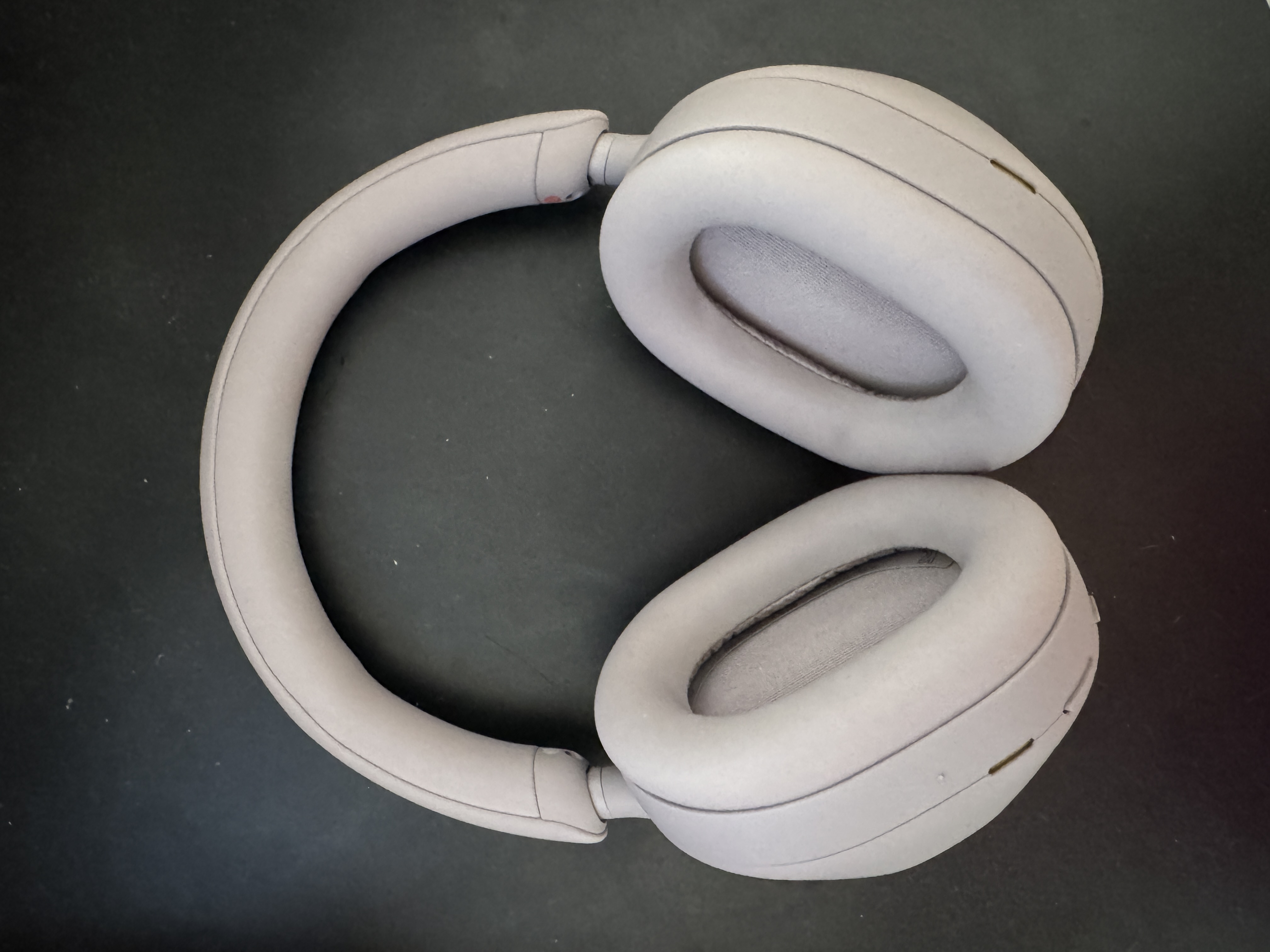
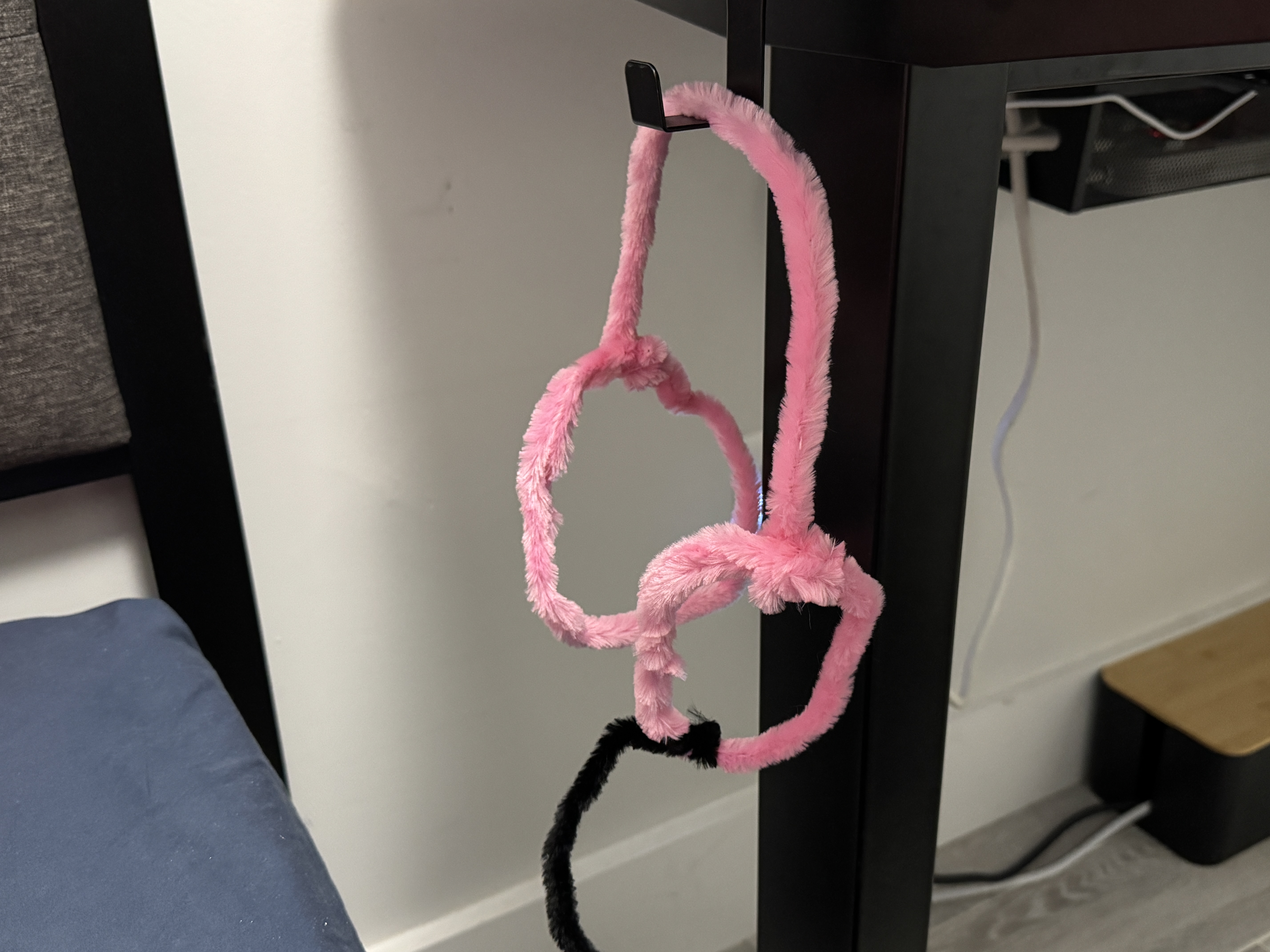
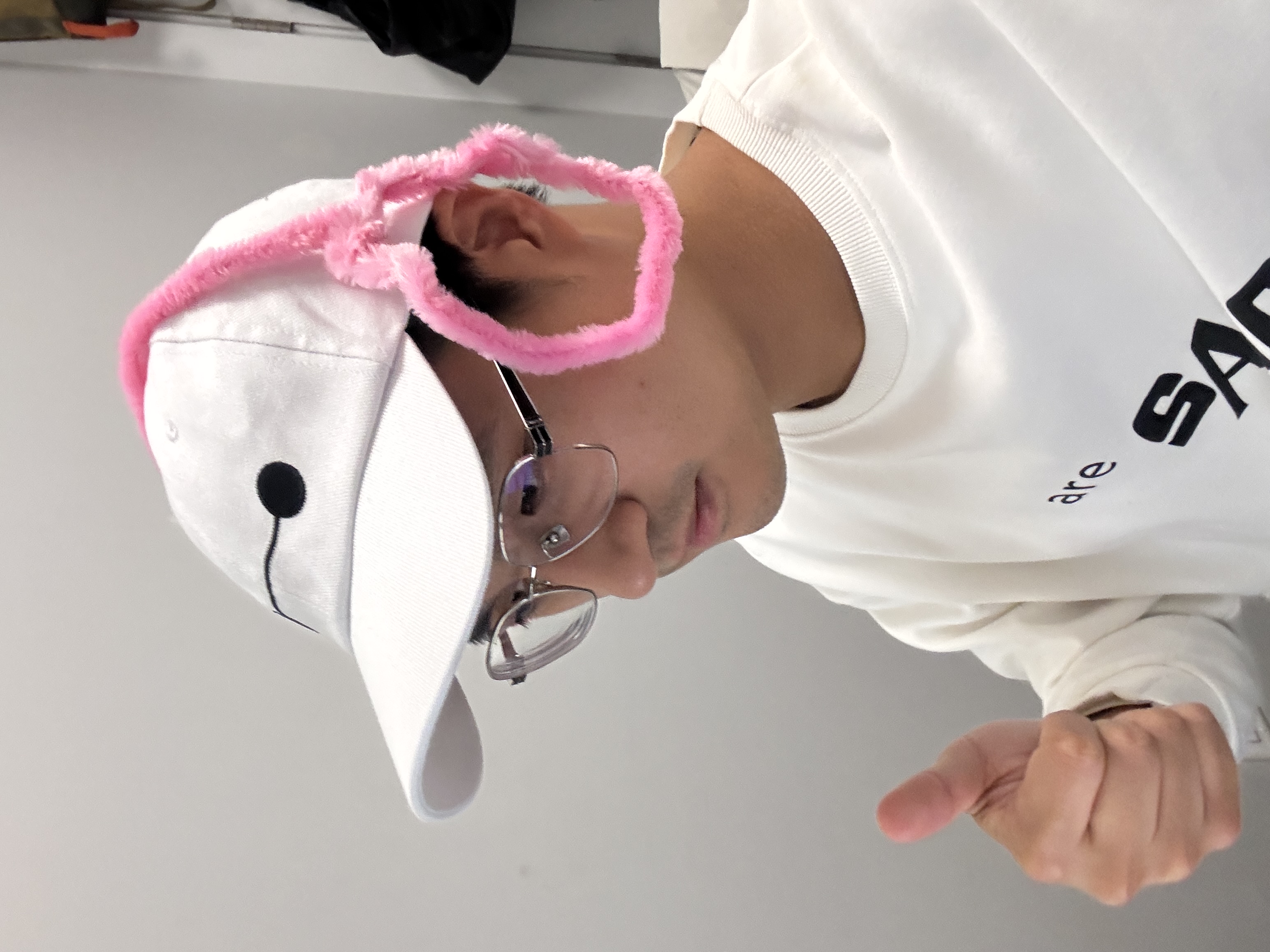
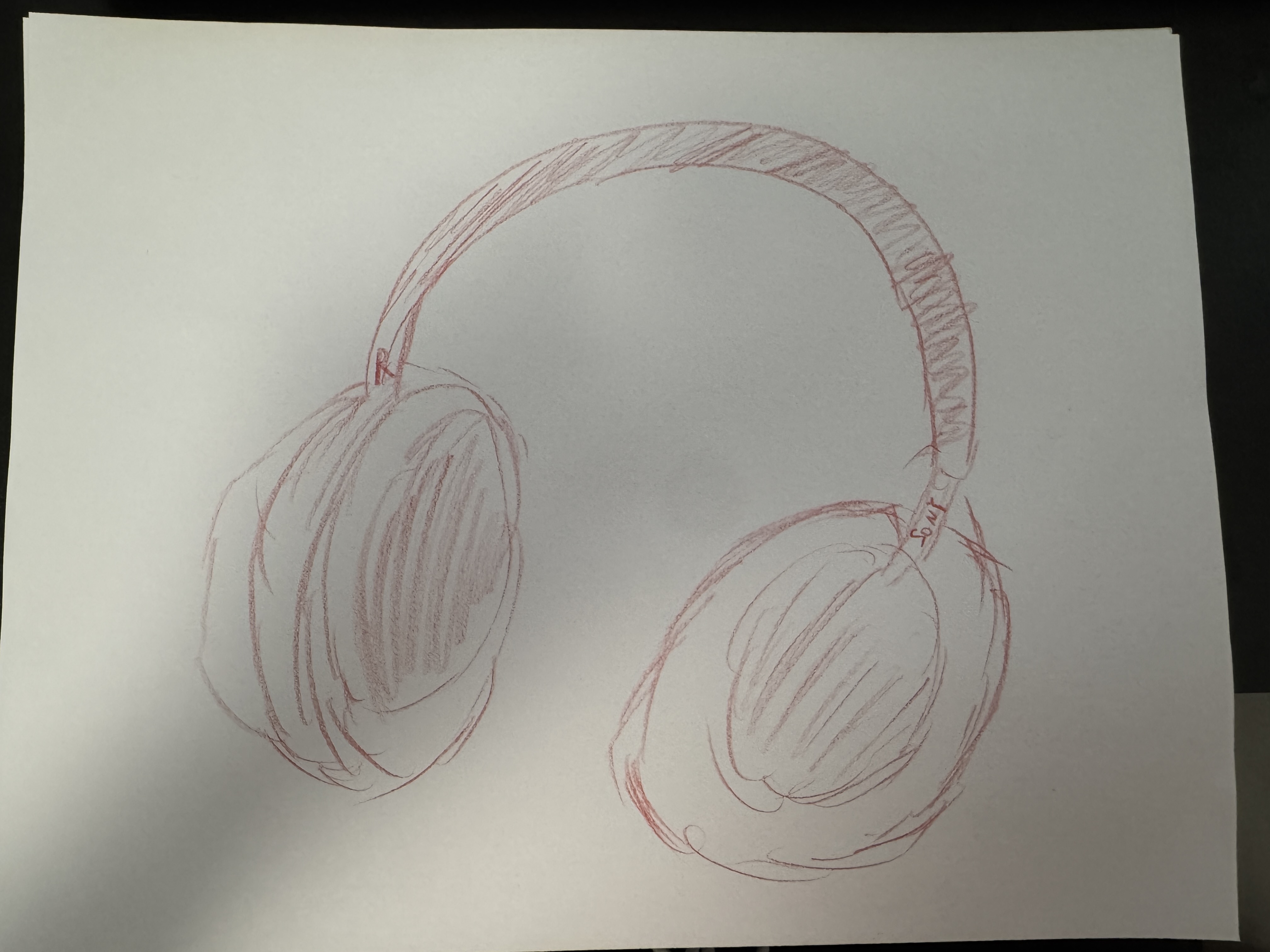
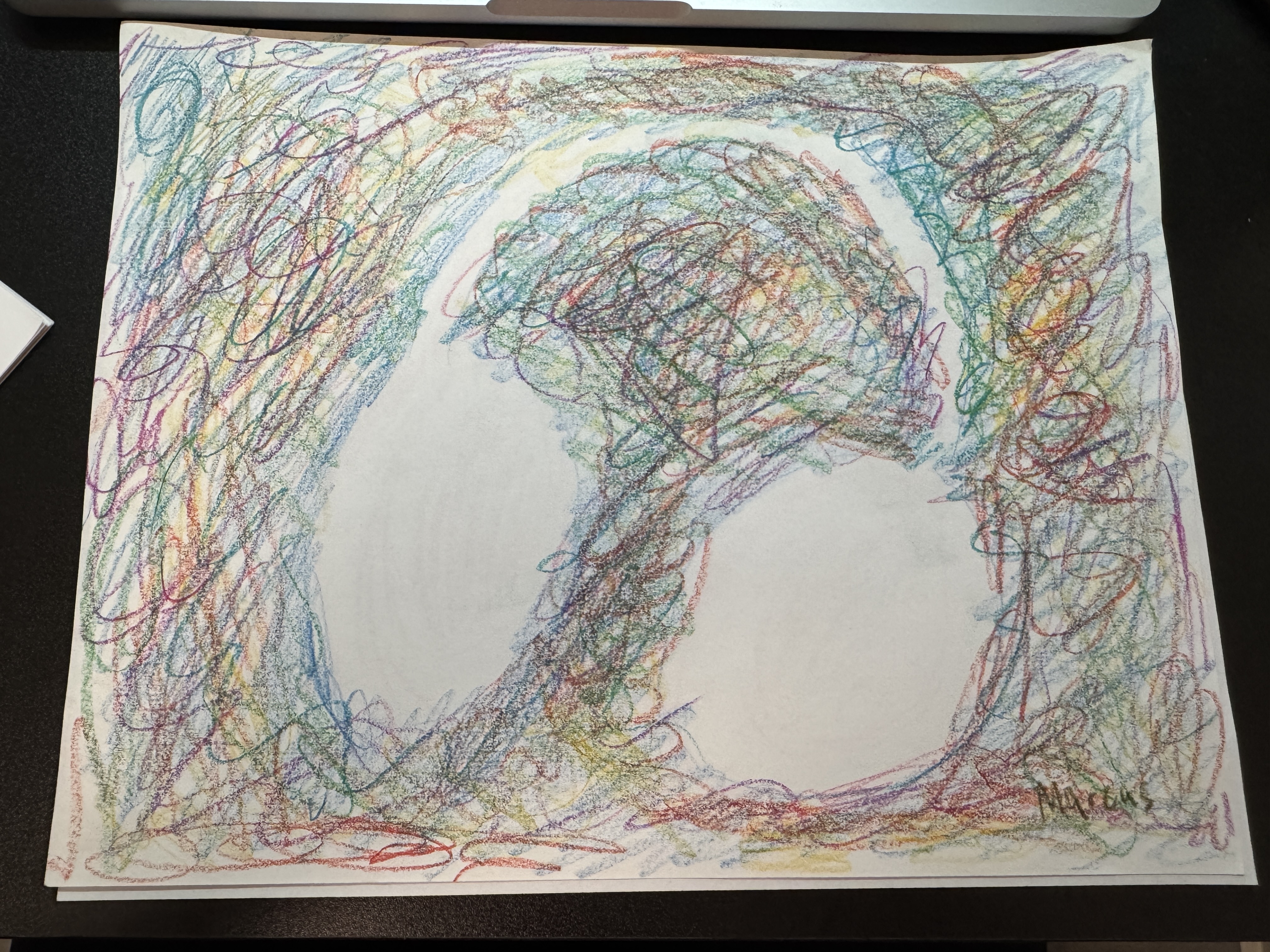
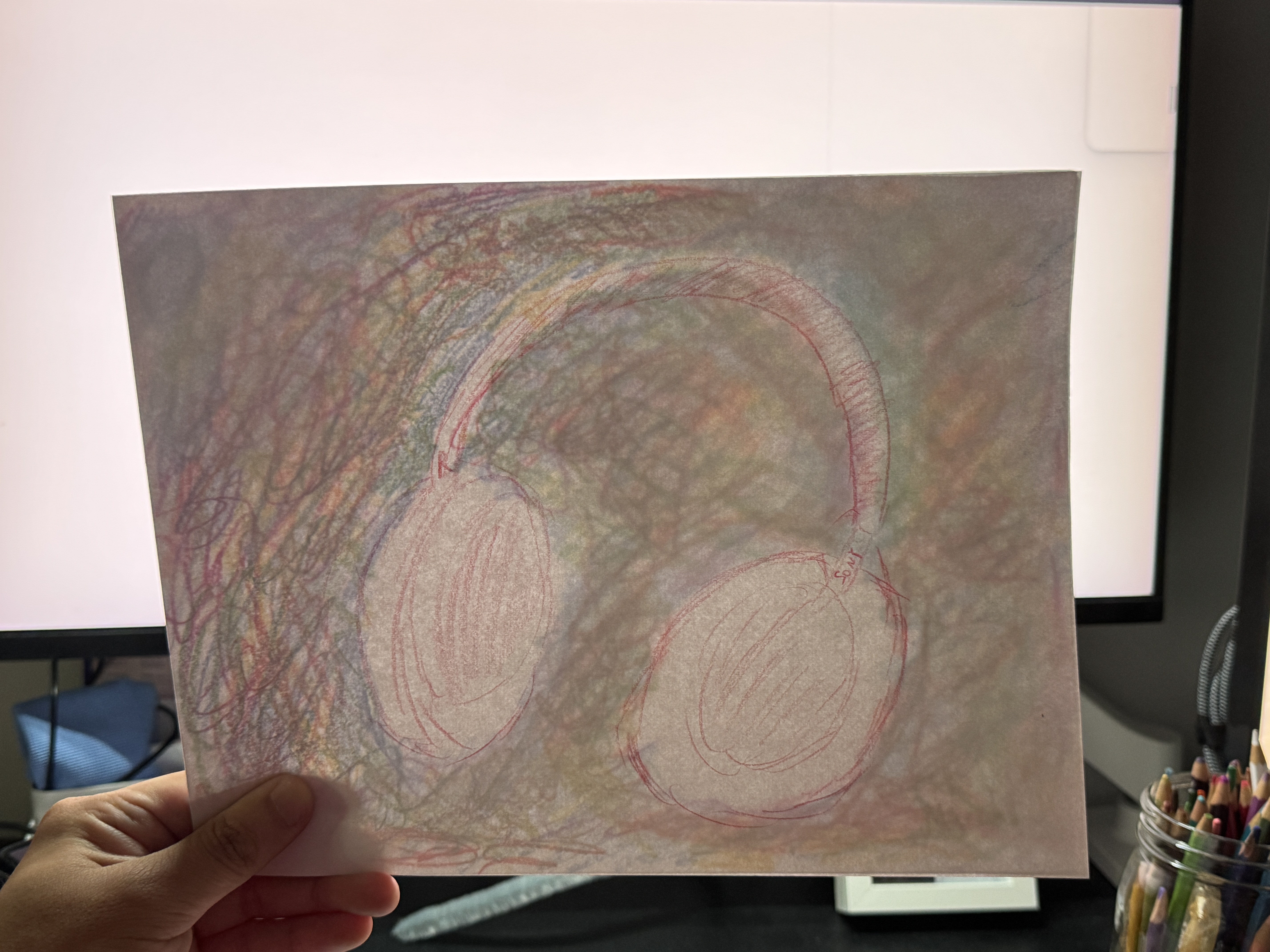
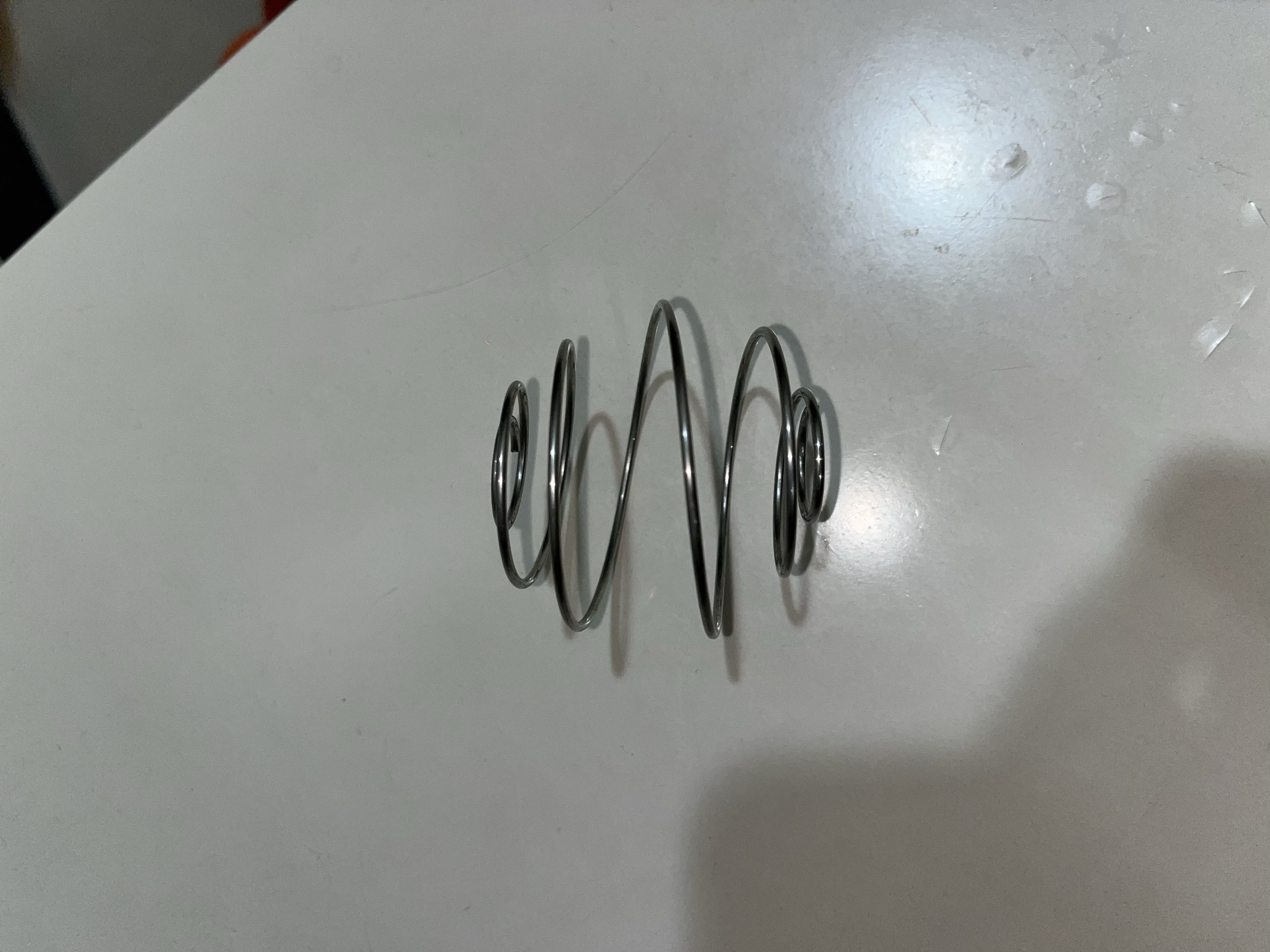
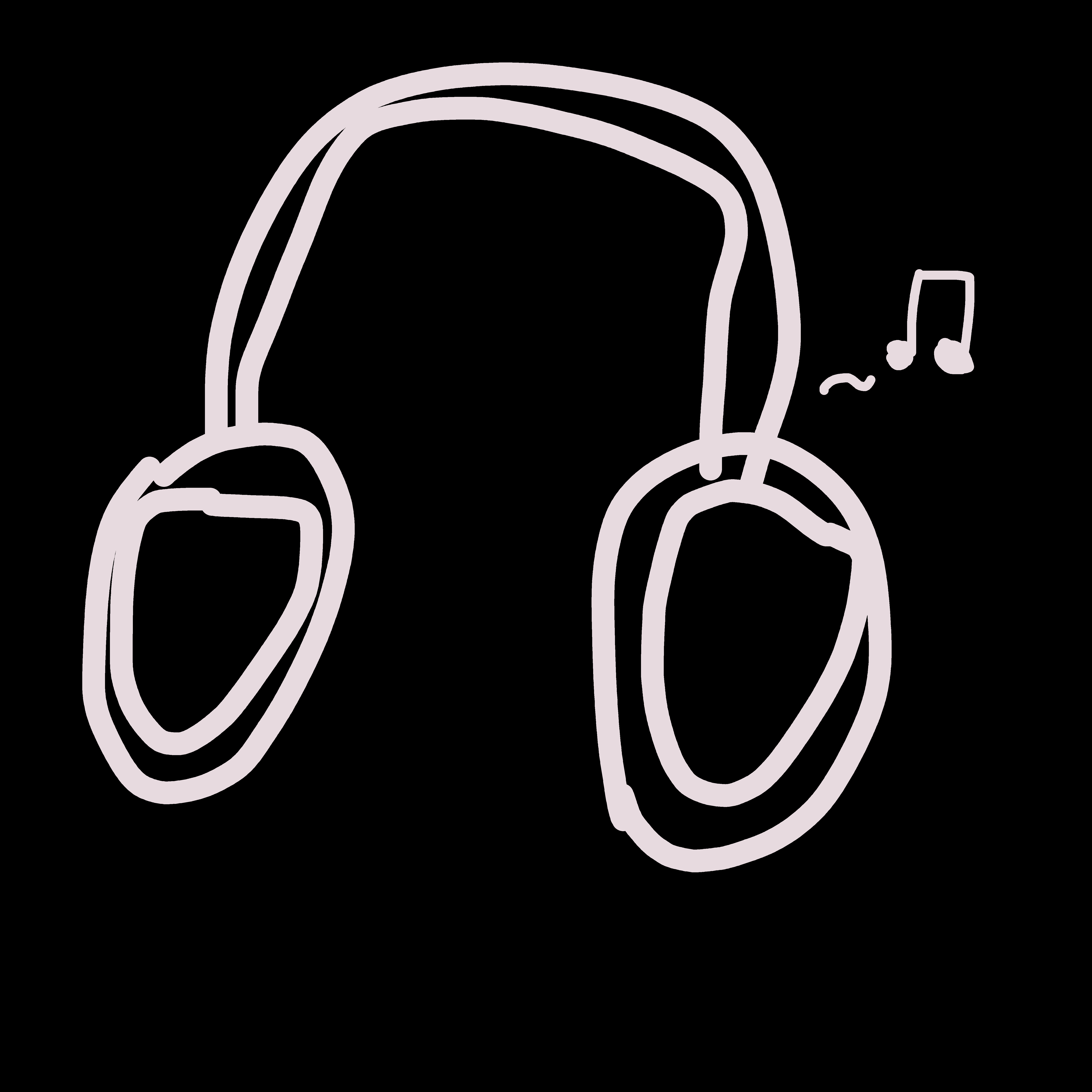
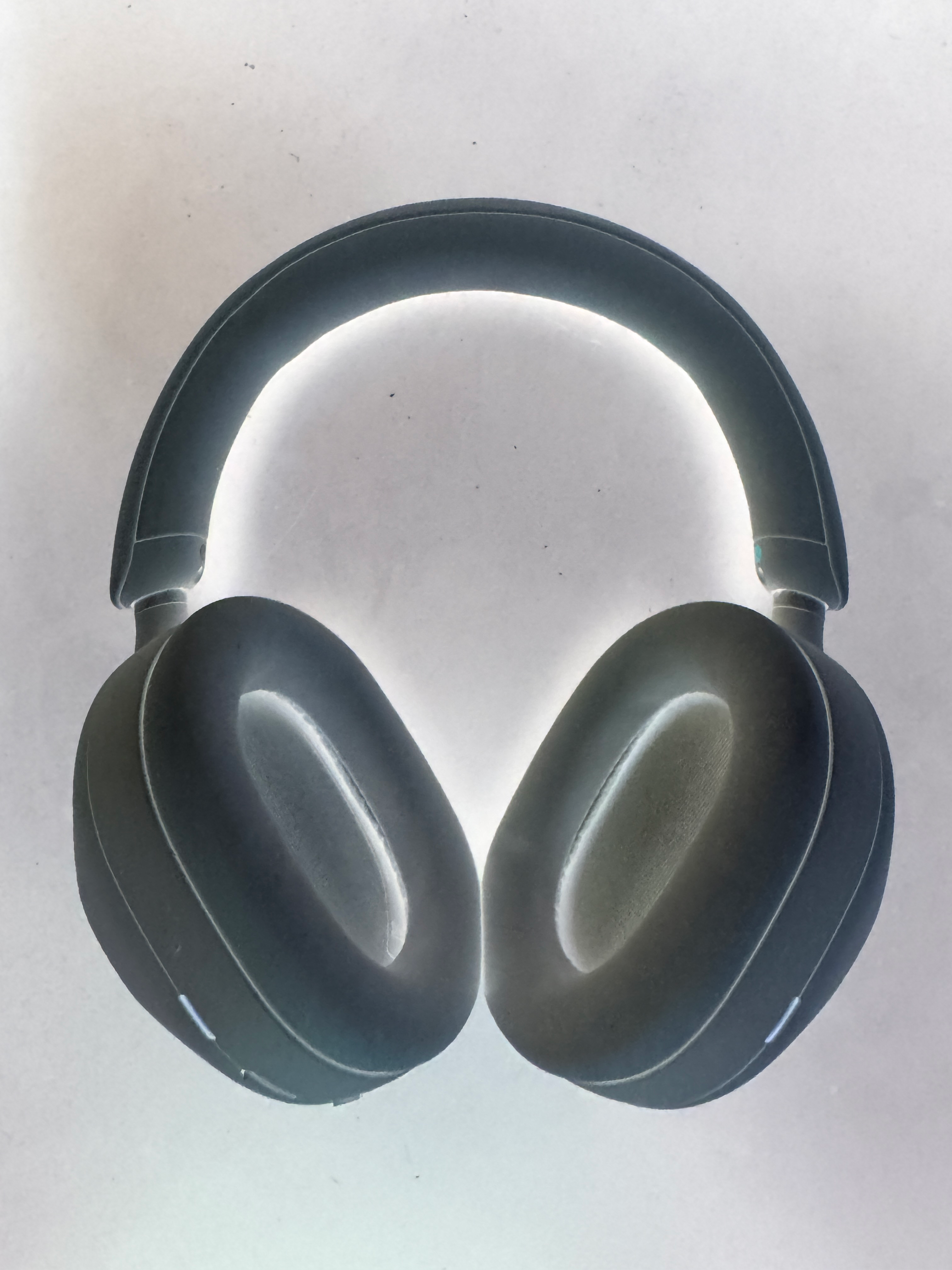
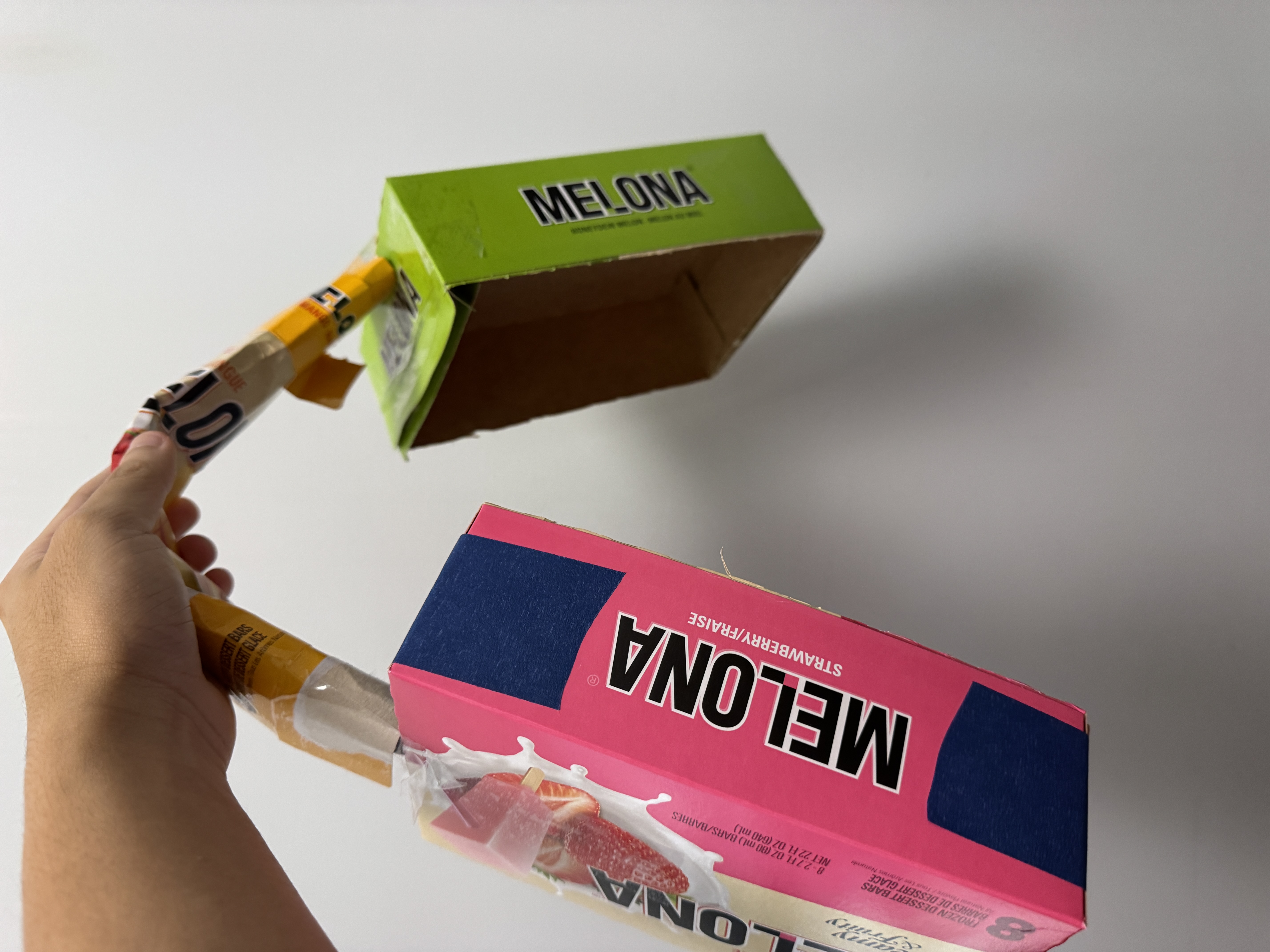
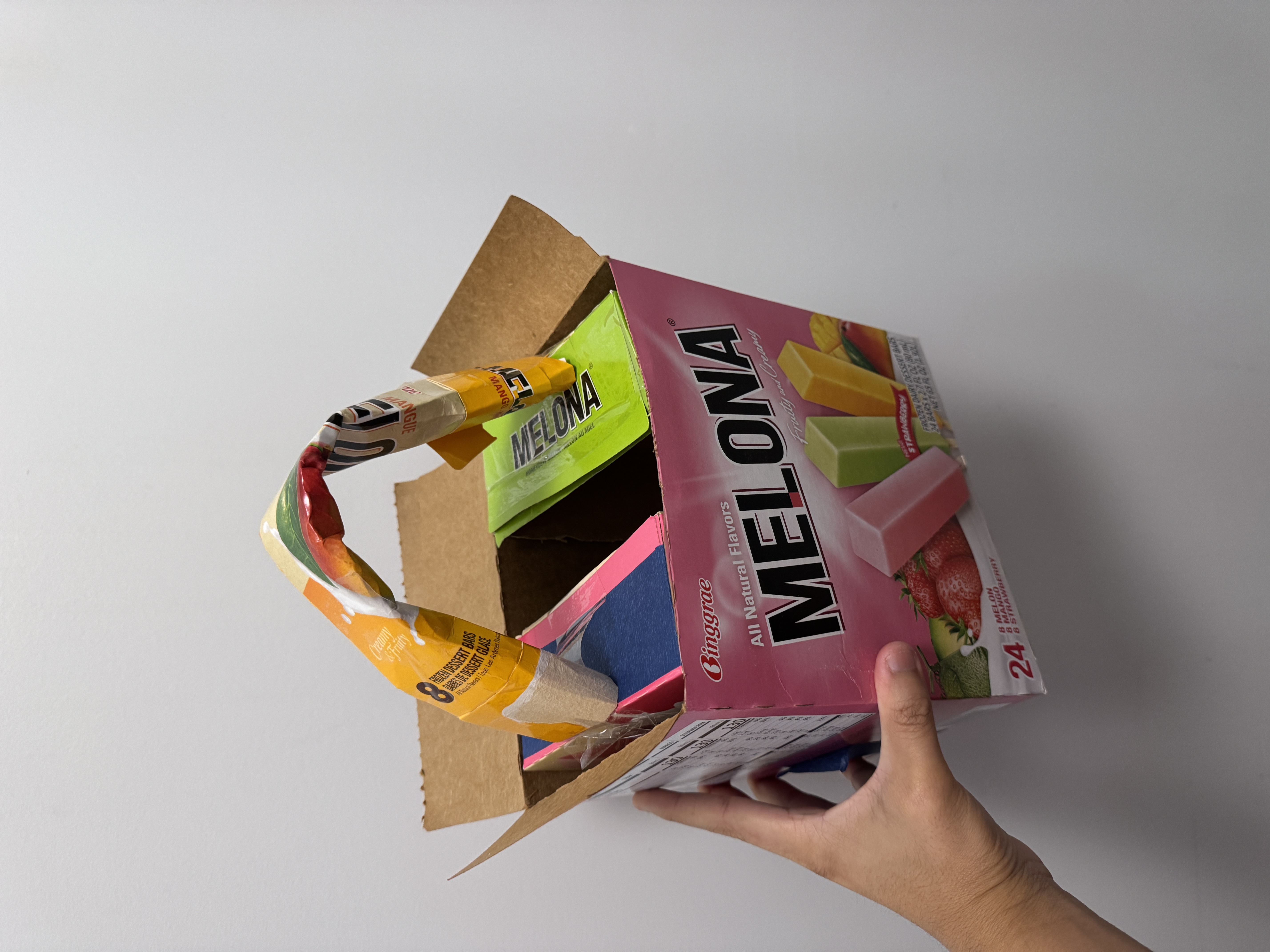
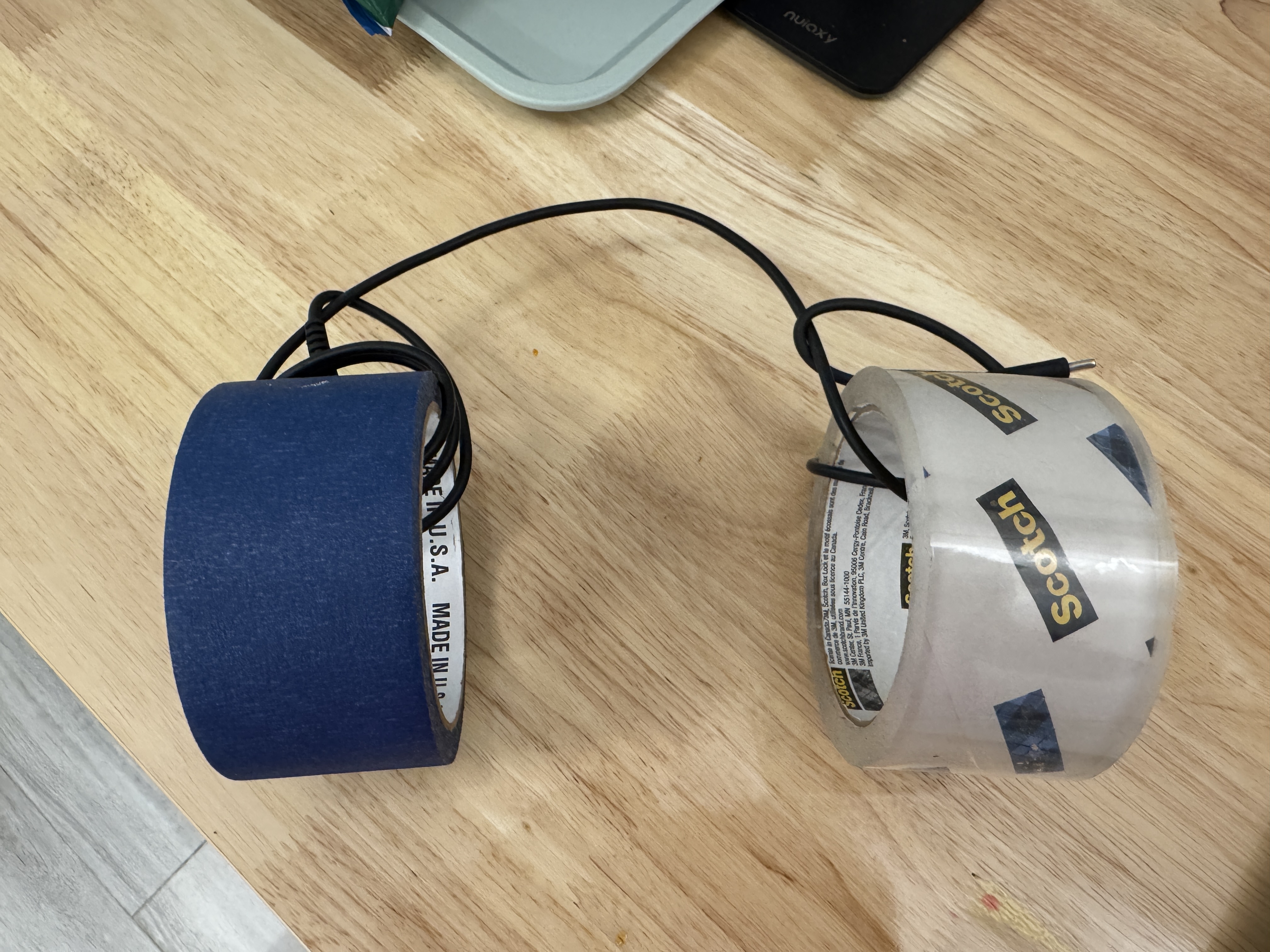
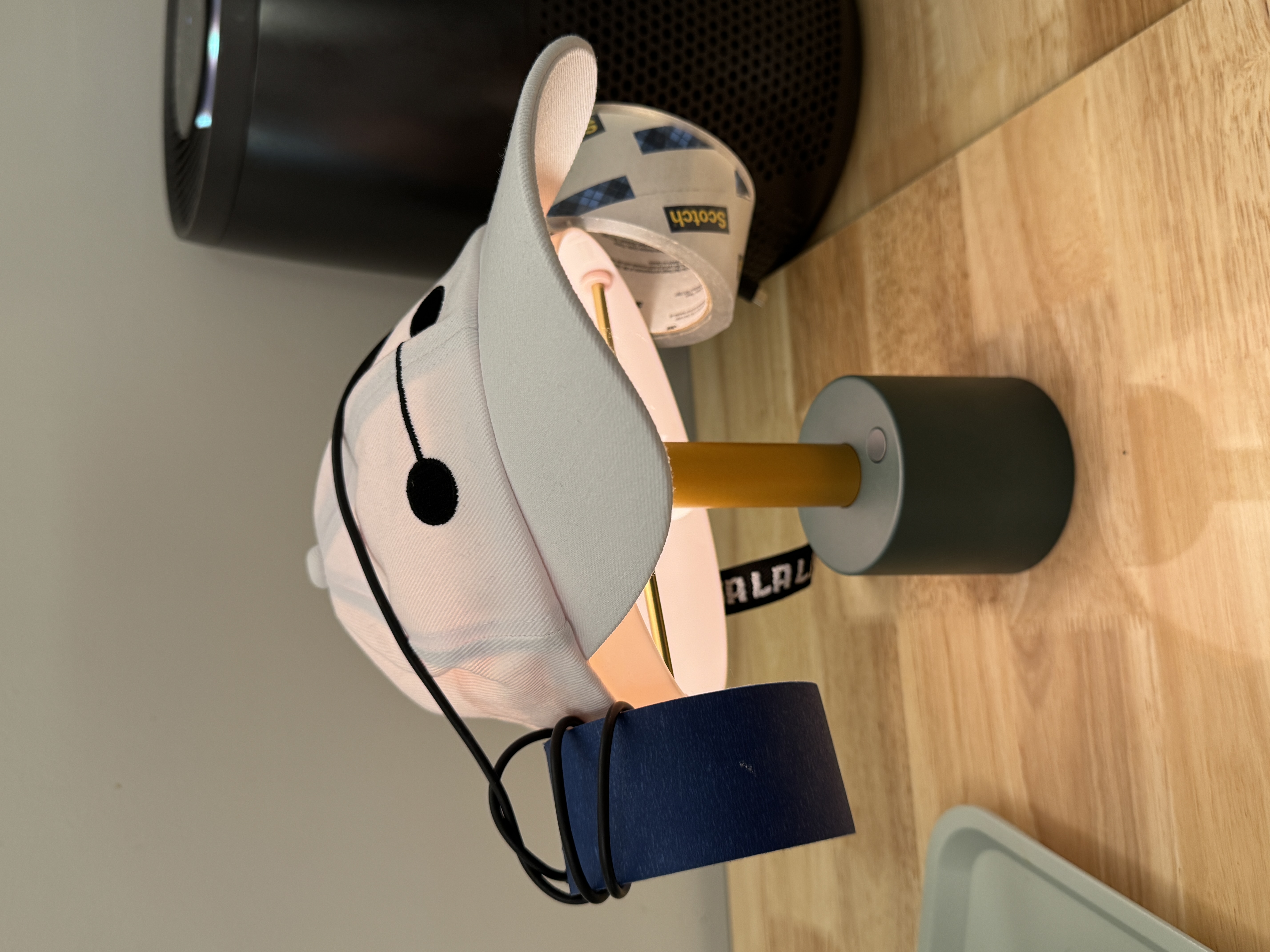
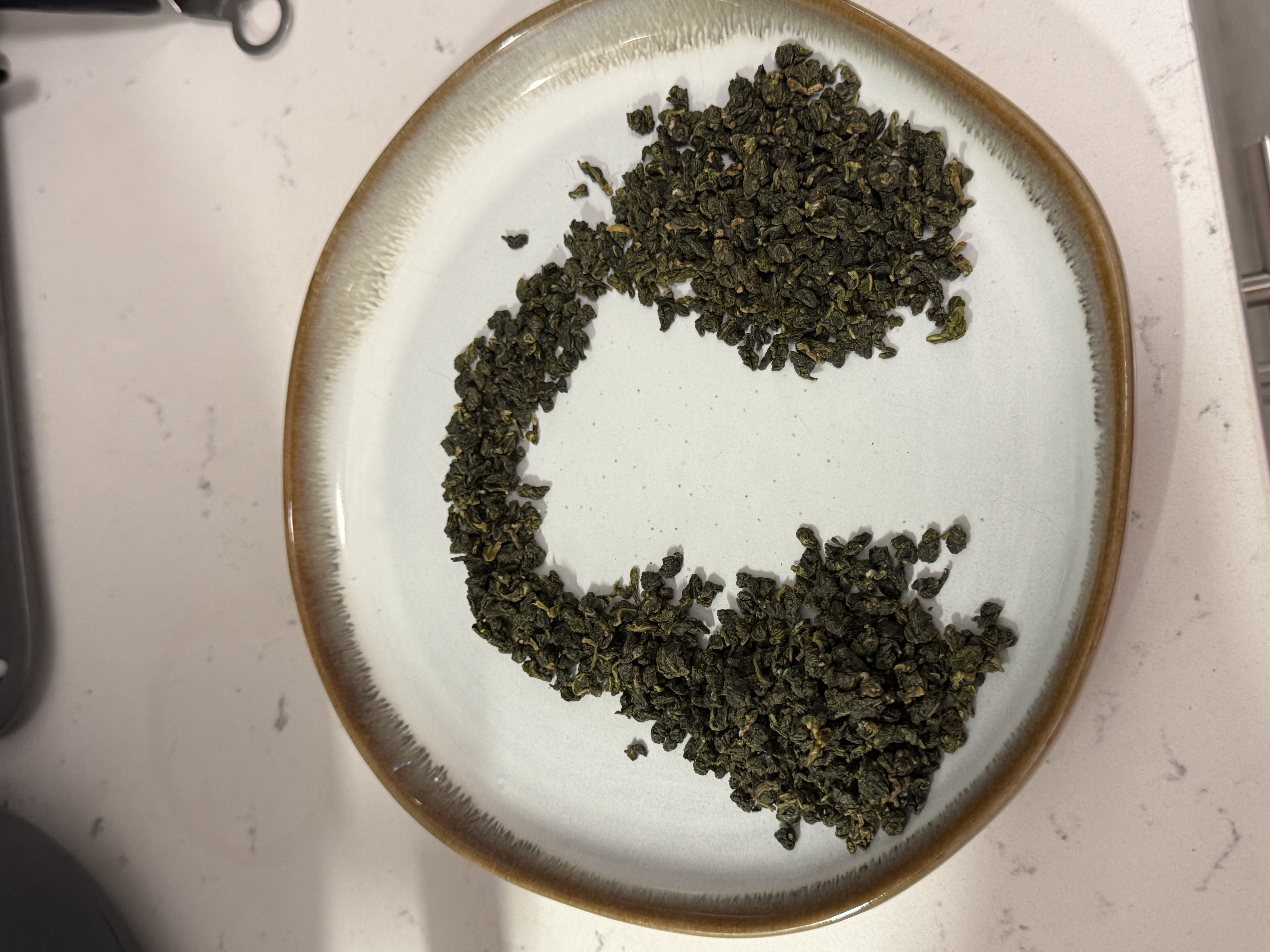
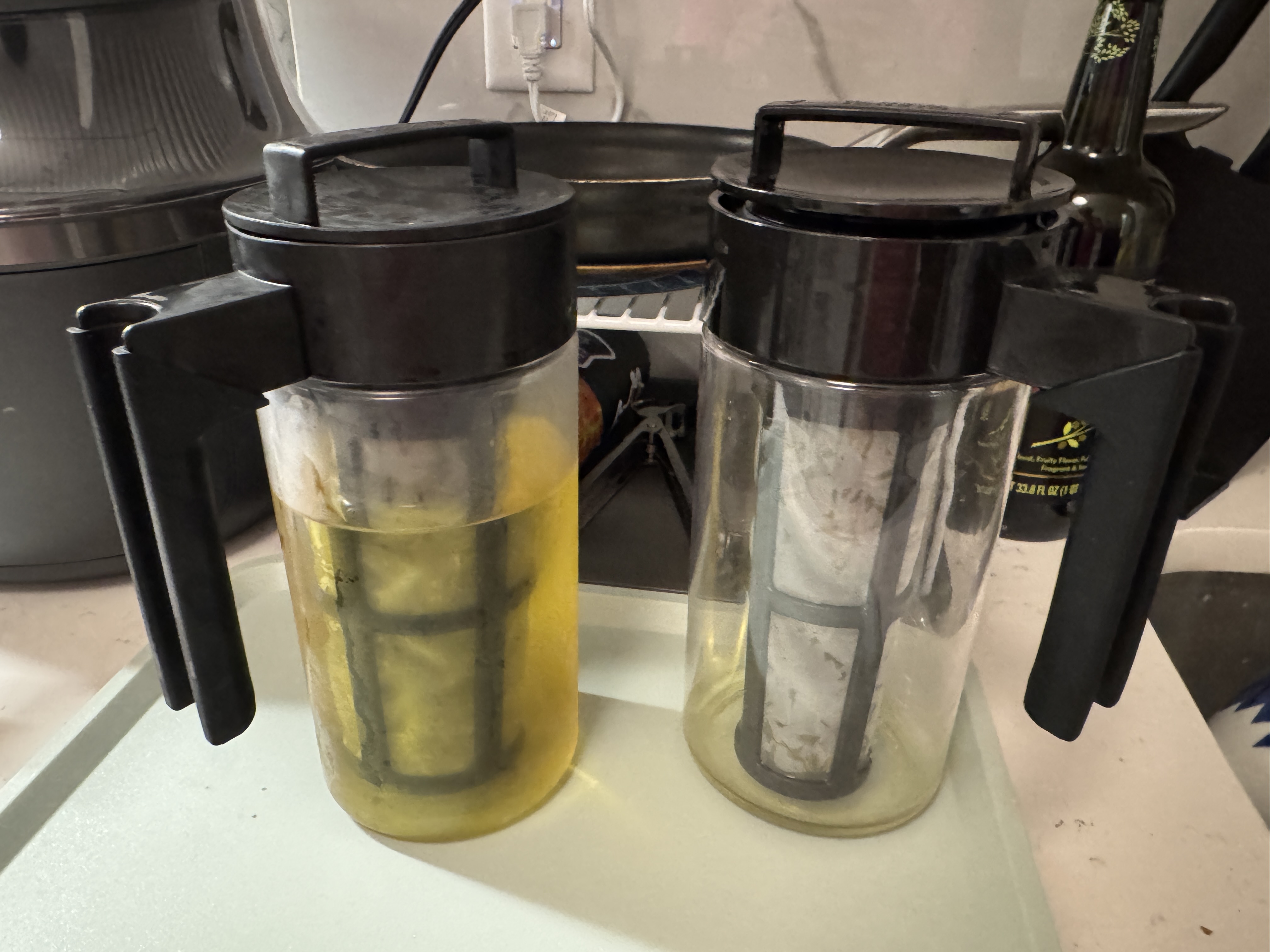
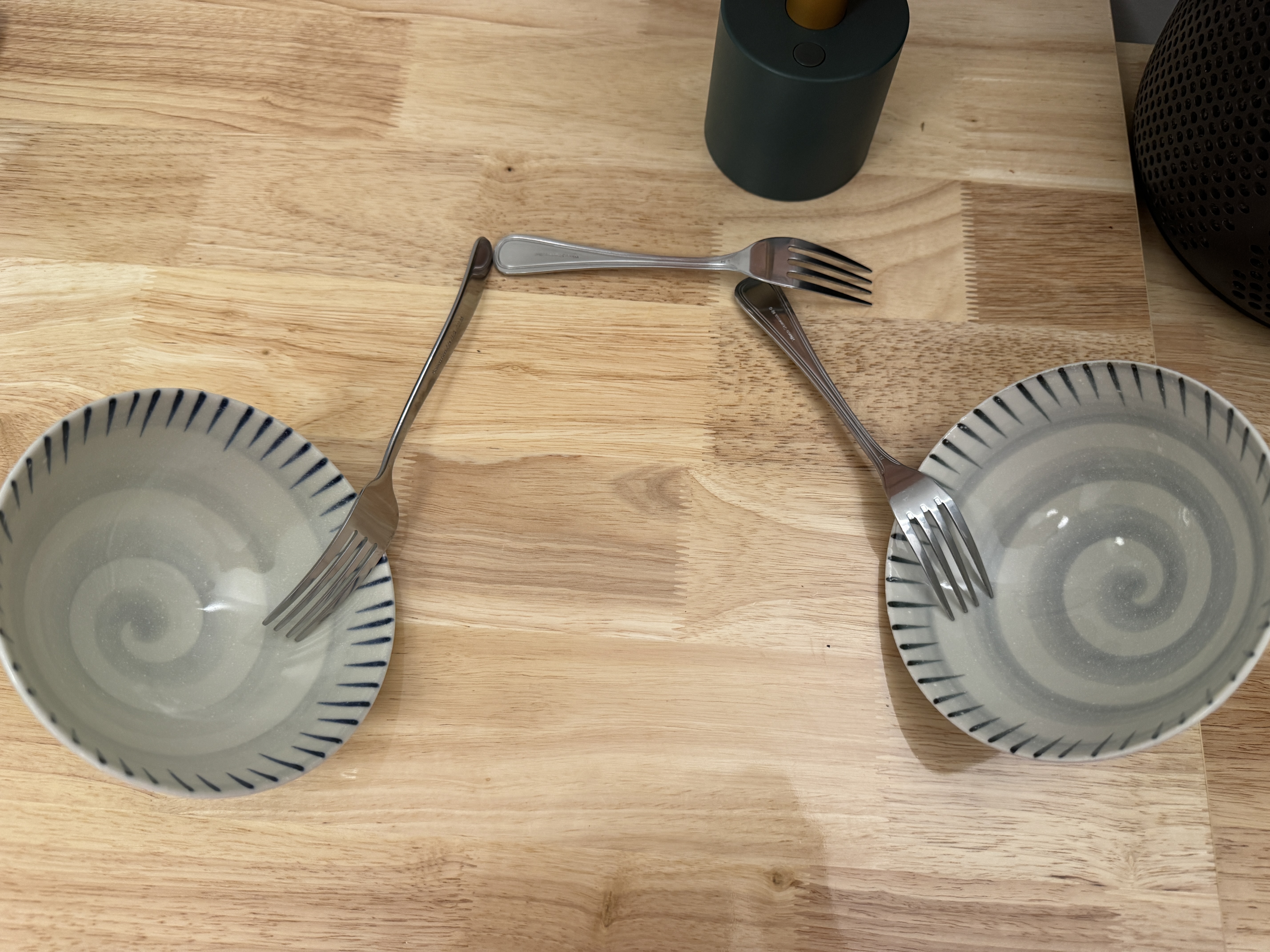
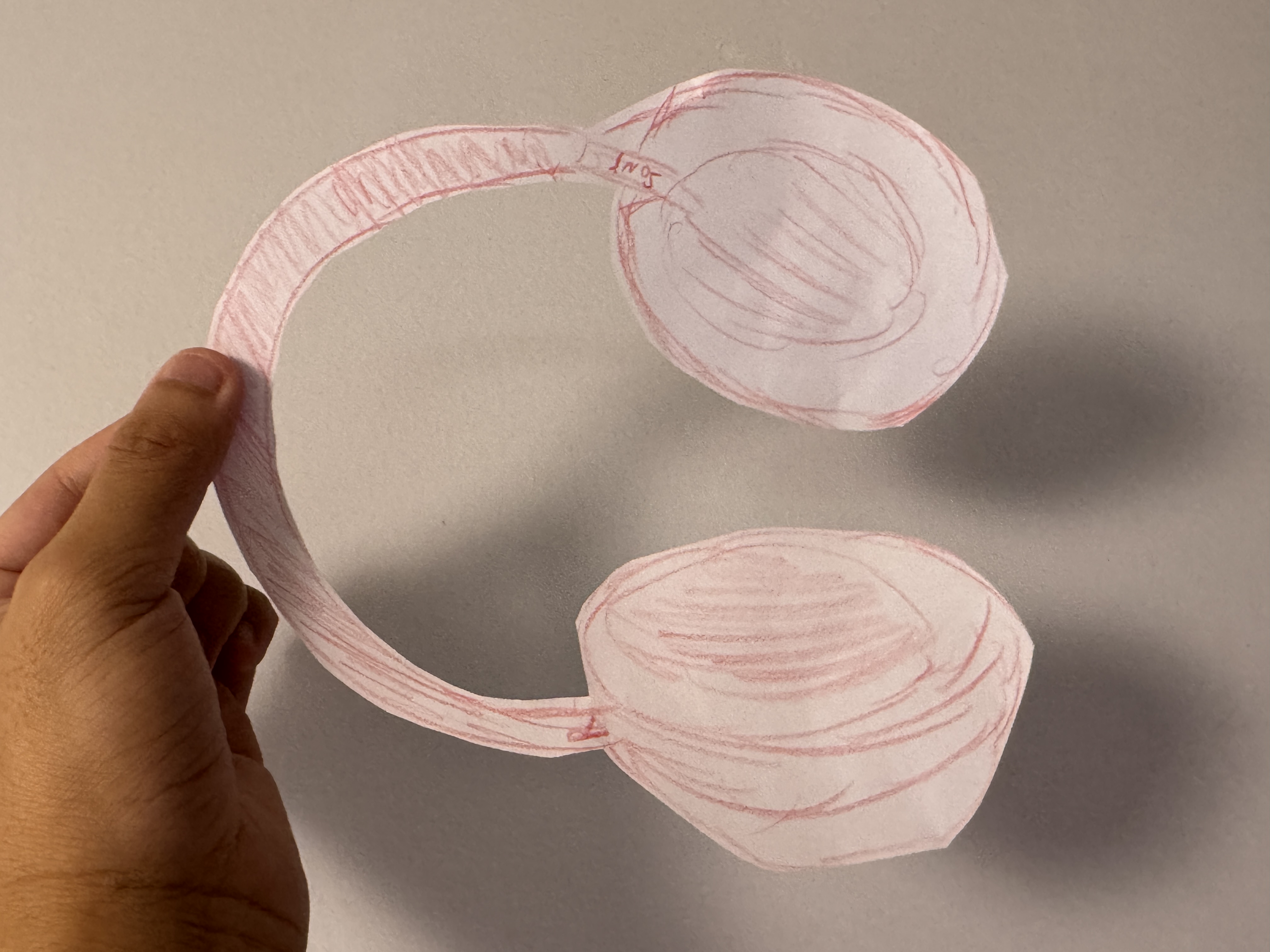
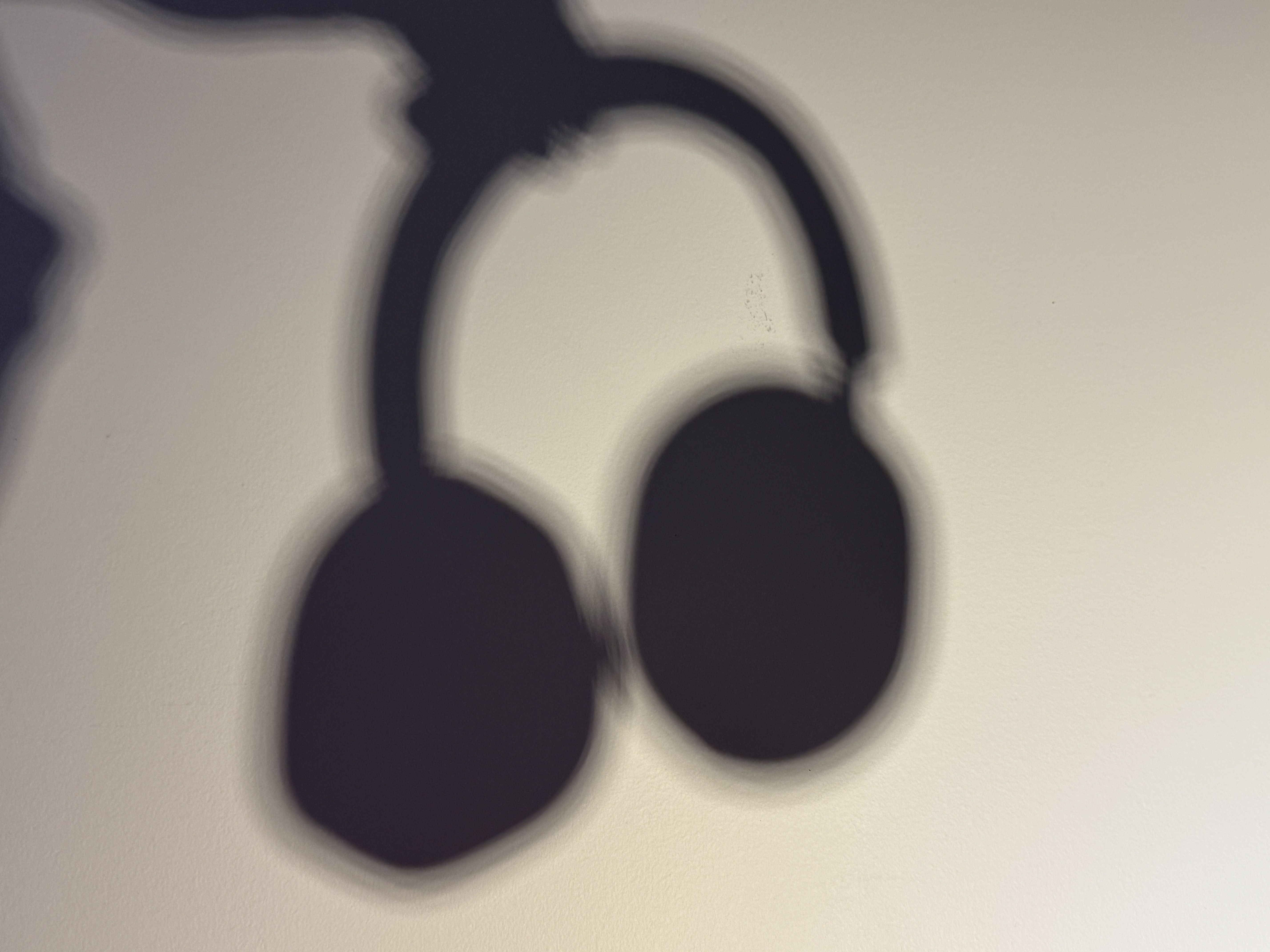
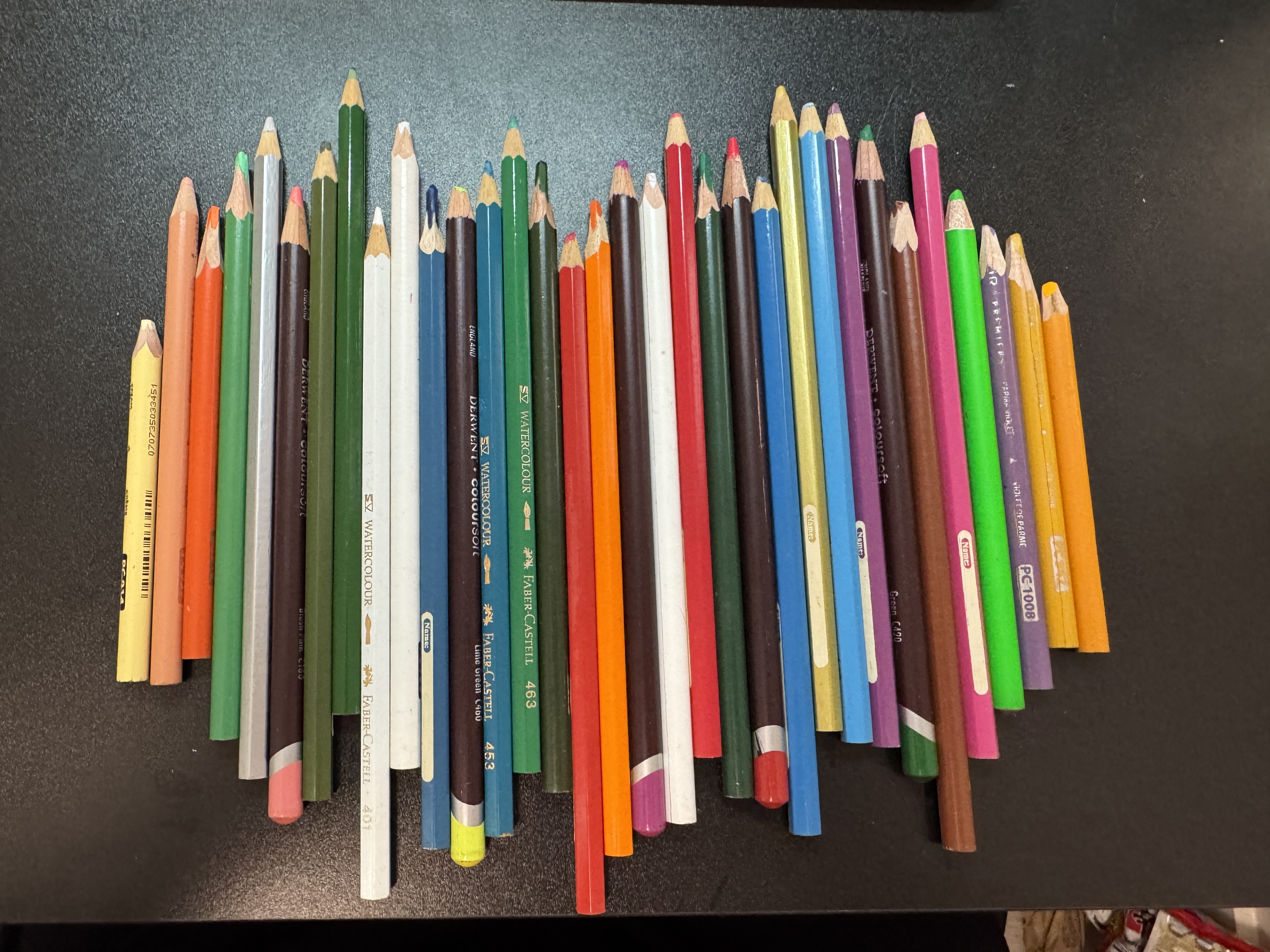
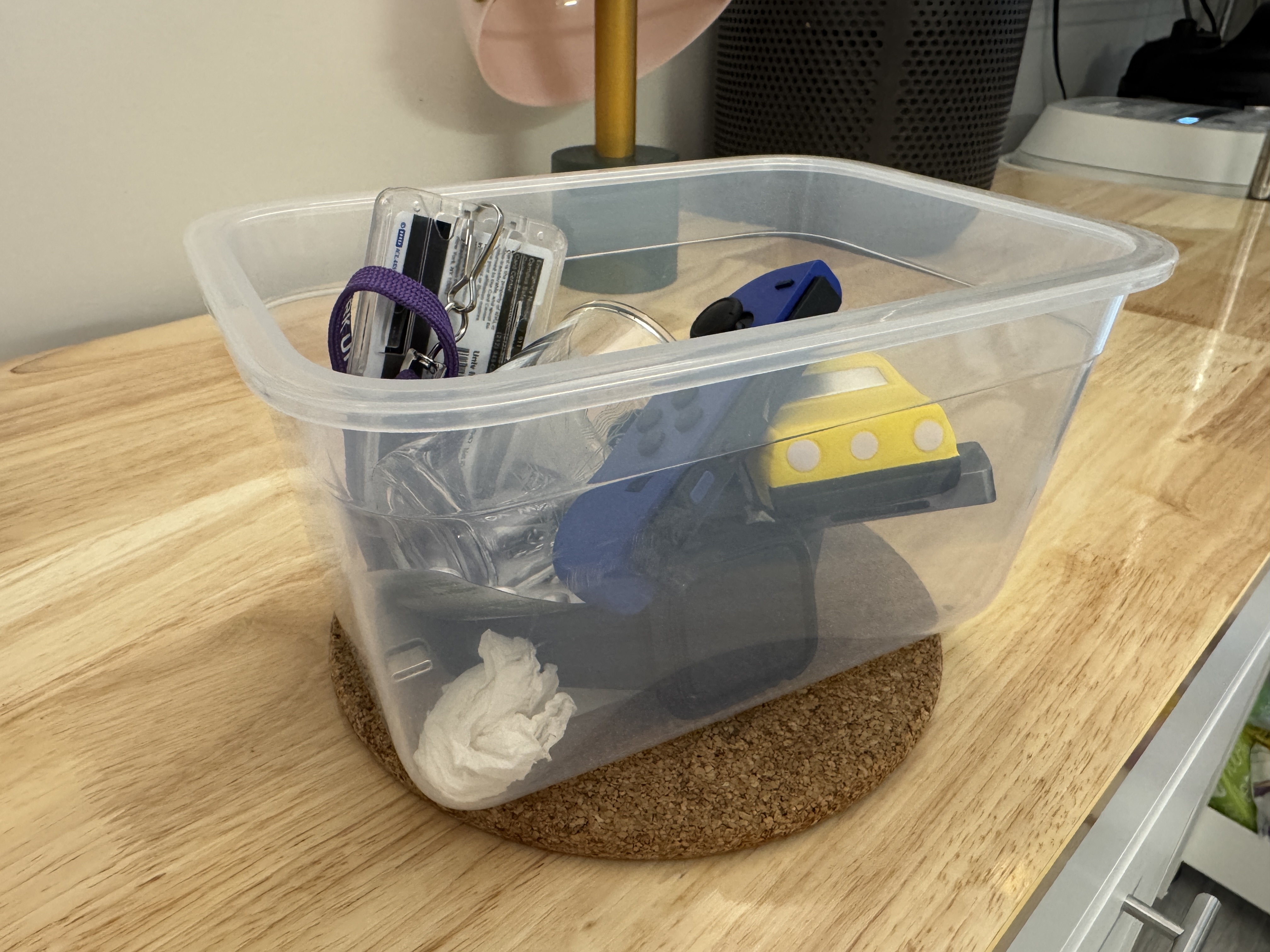
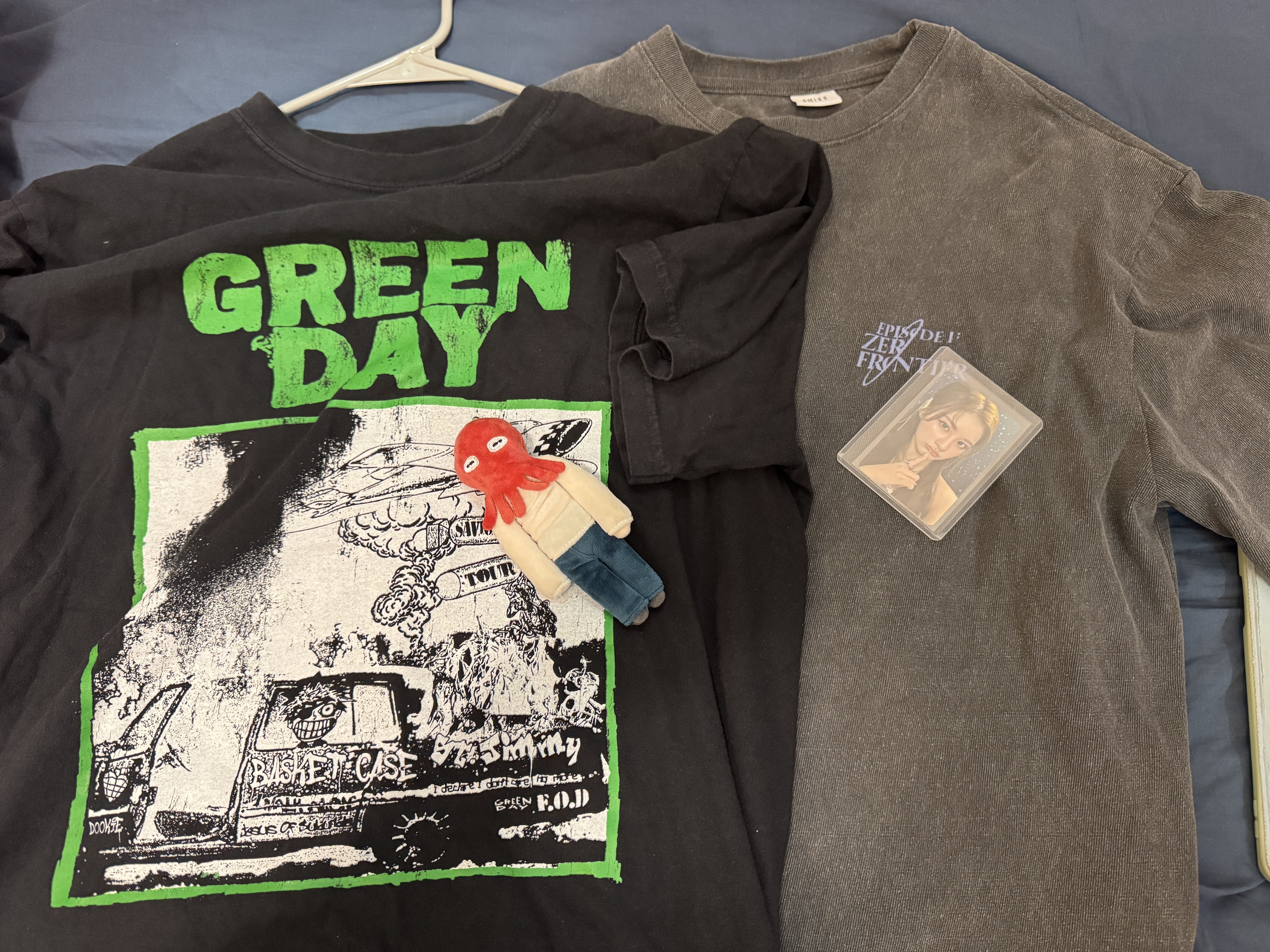
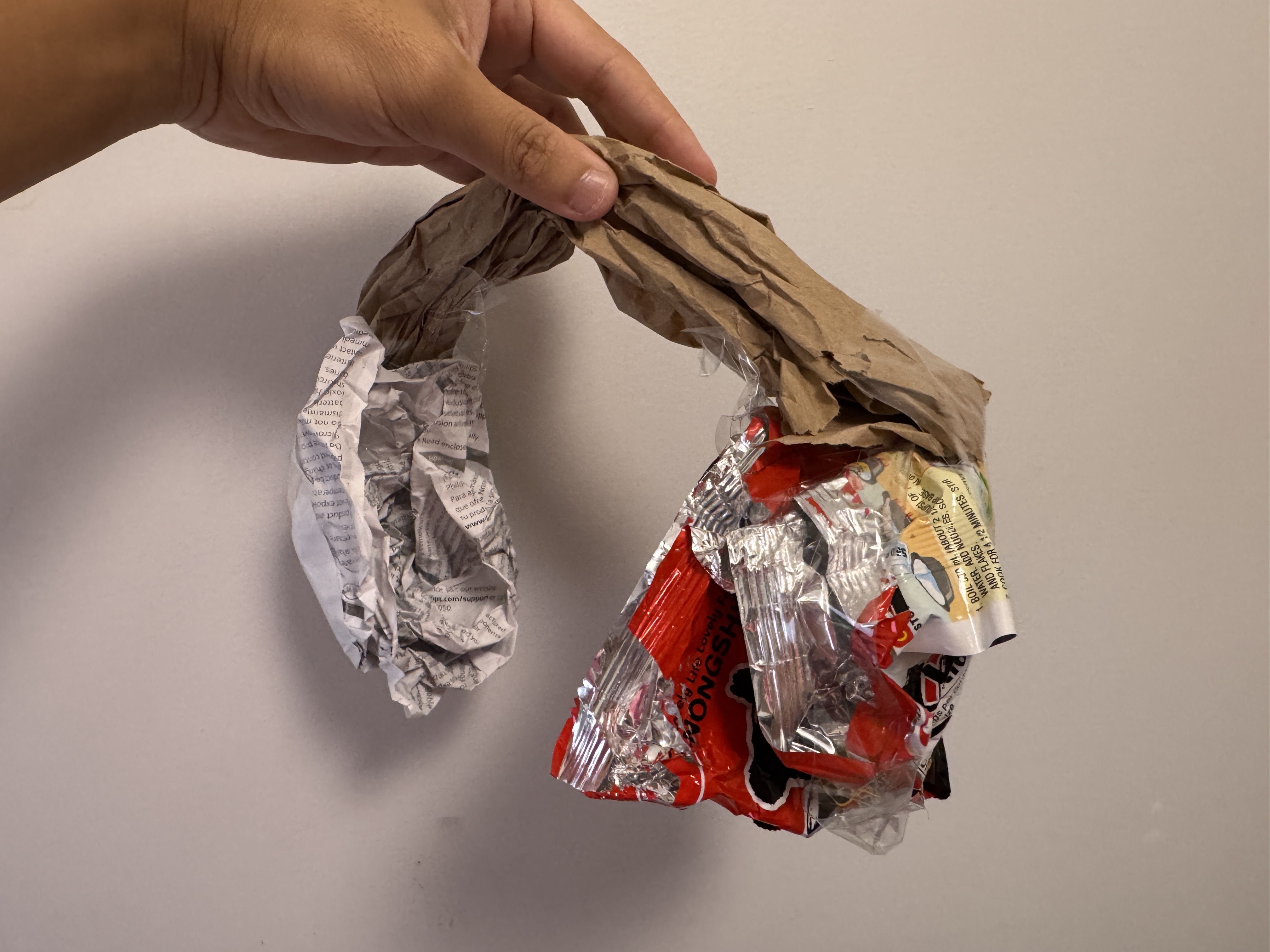
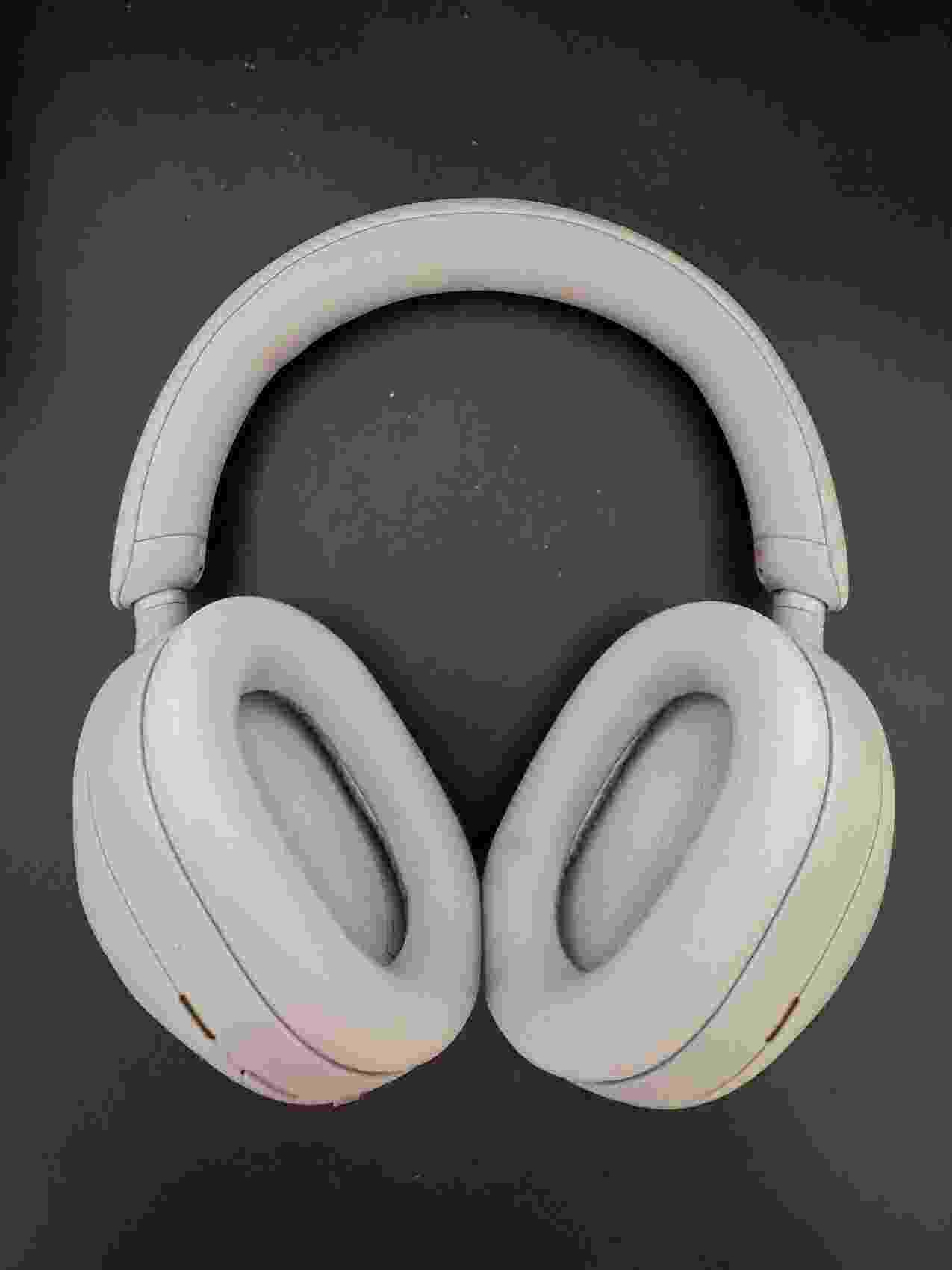
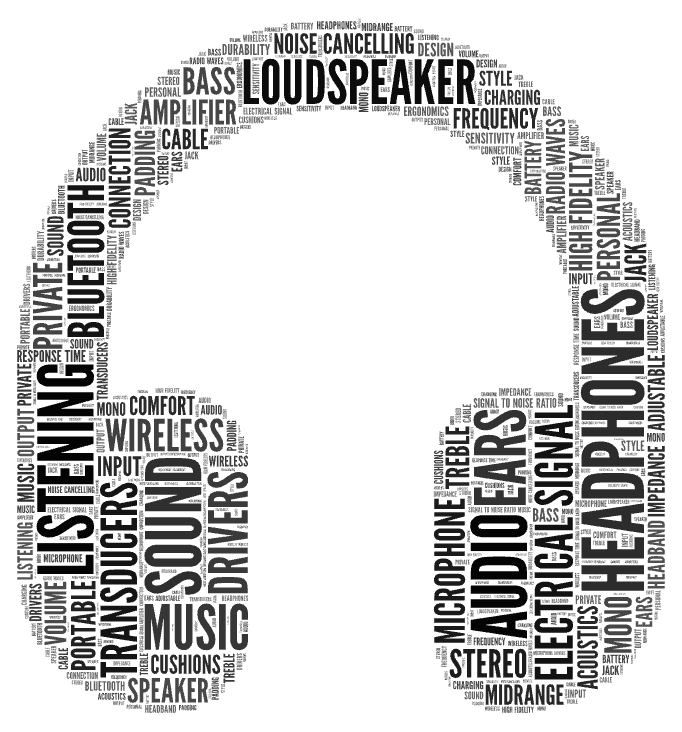
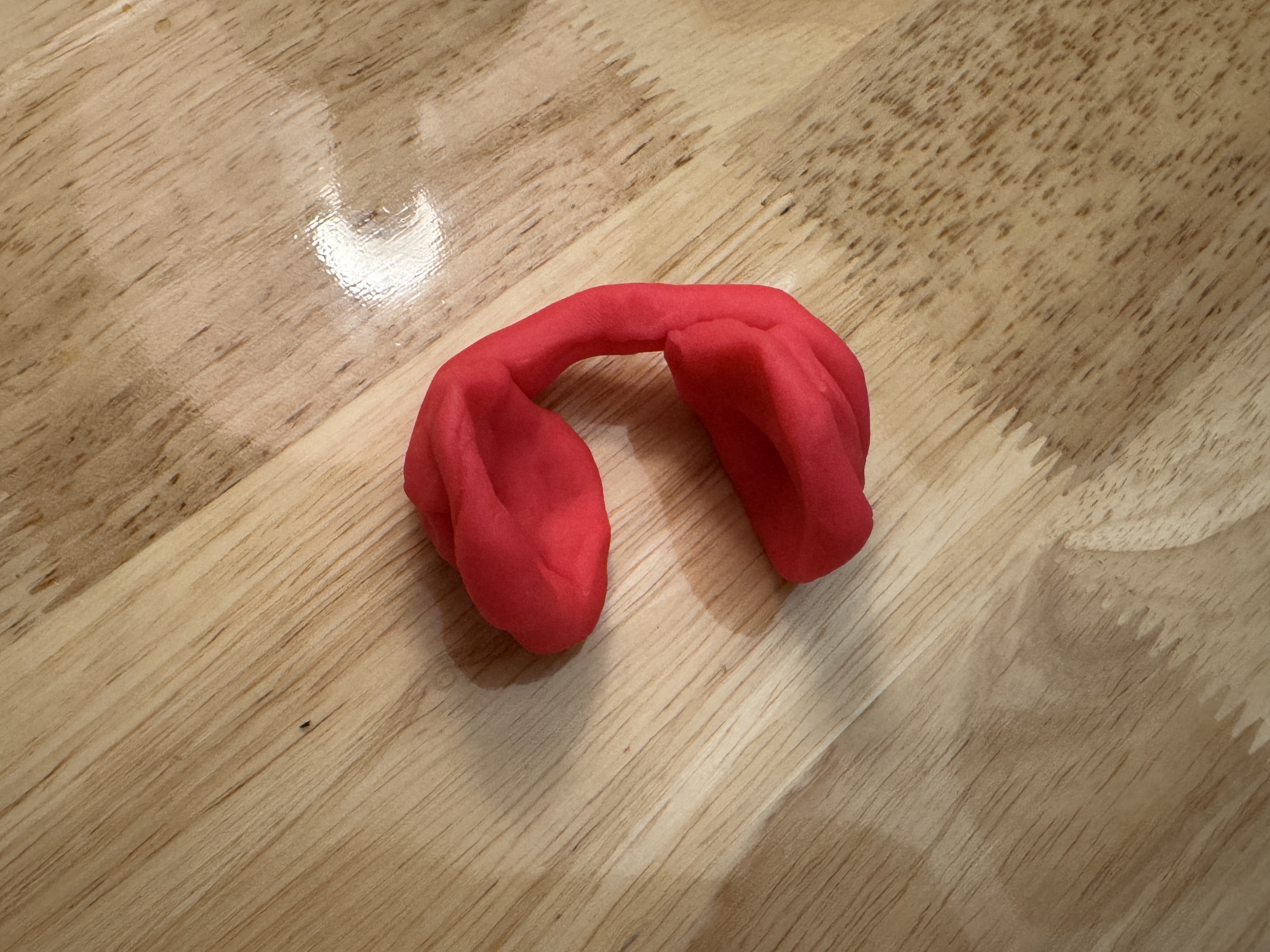
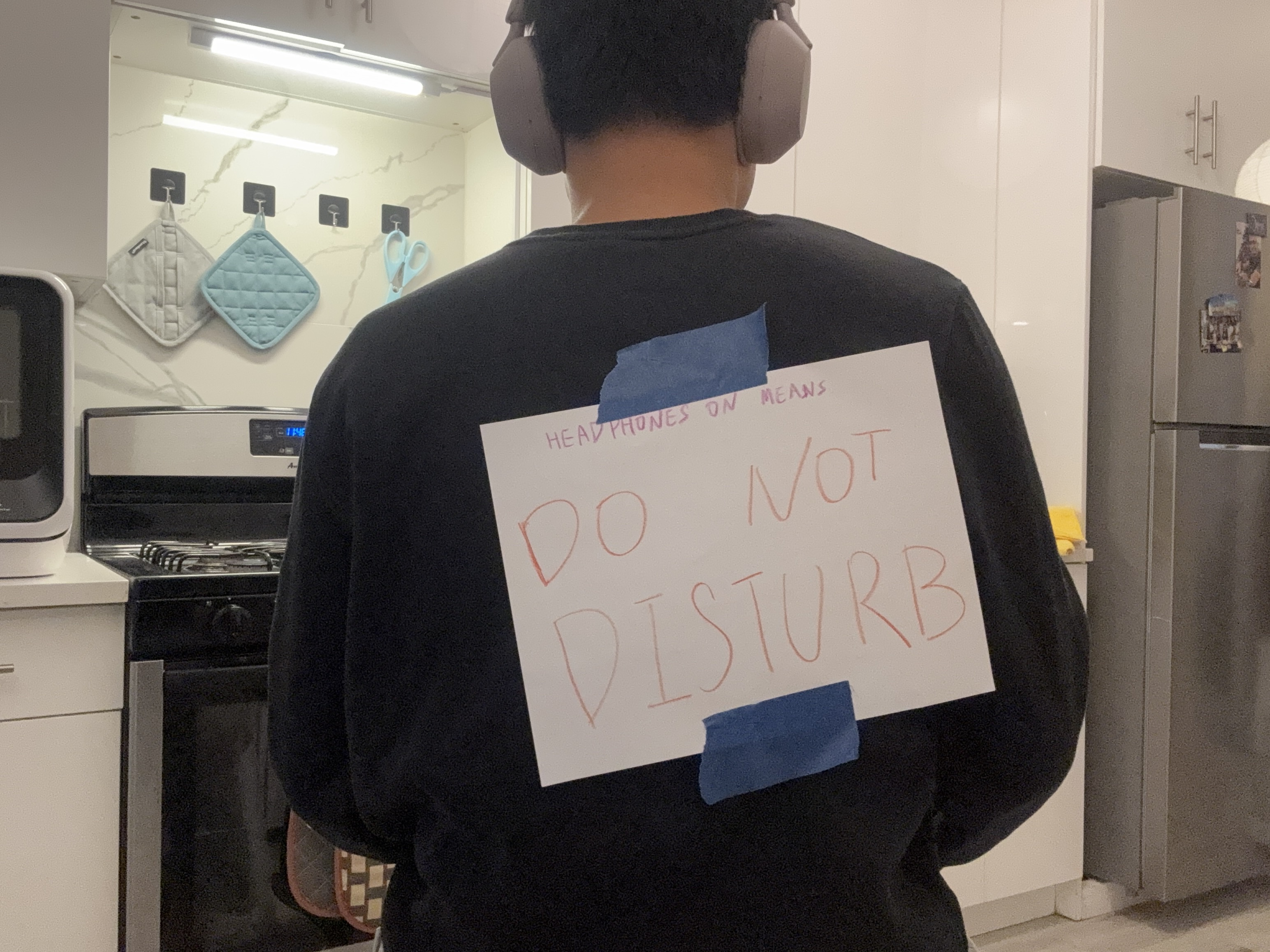
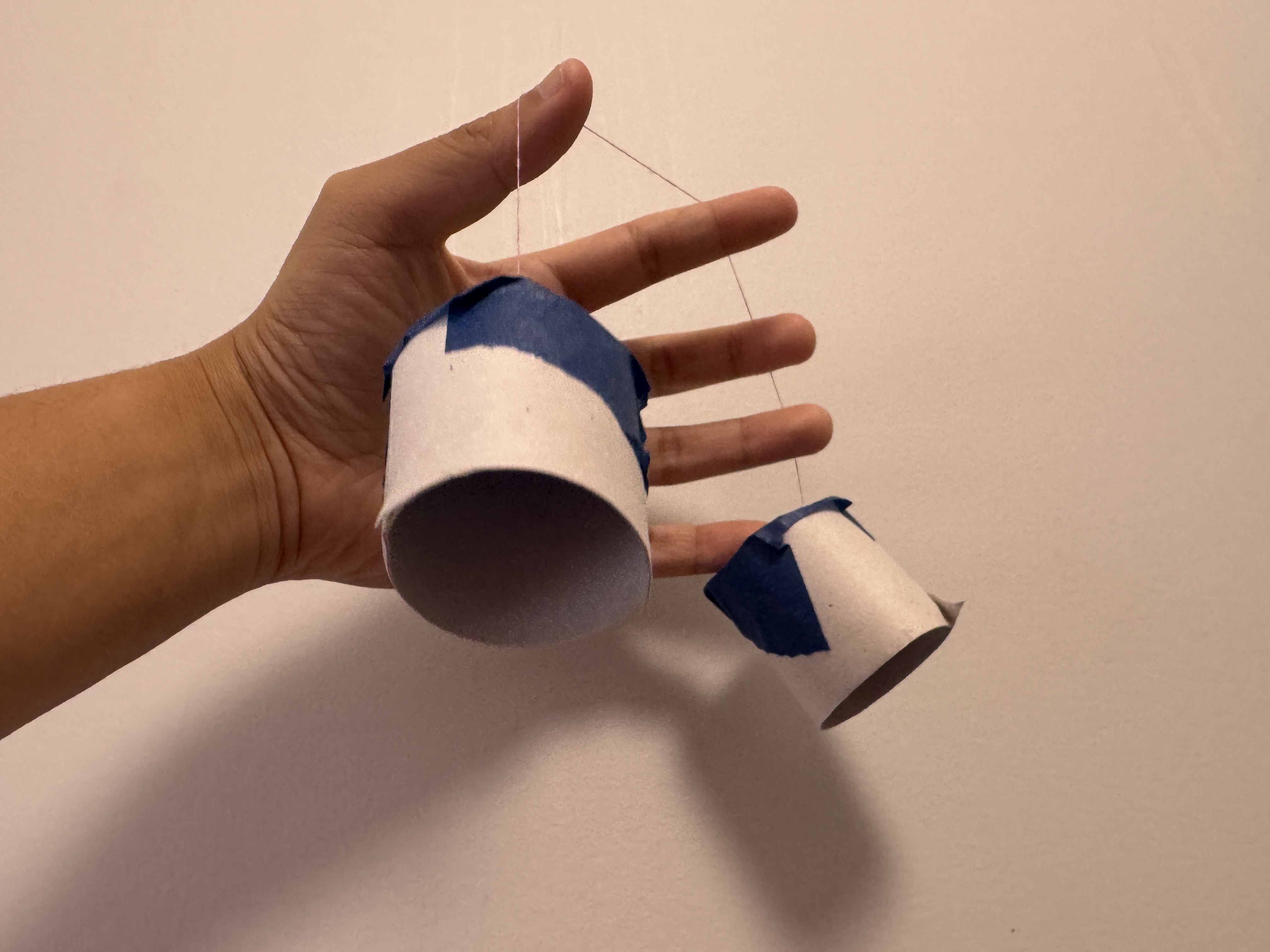
When I first started this project, I thought the main challenge was simply finding 50 different ways to recreate my headphones. At the beginning, I focused a lot on changing materials and forms, using things like pipe cleaners, cardboard, tea leaves, clay, wires, and even garbage. As I continued, I realized that I did not always need to show the physical shape of the headphones. I could also represent what they mean to me, how I use them, and how they affect my daily life.
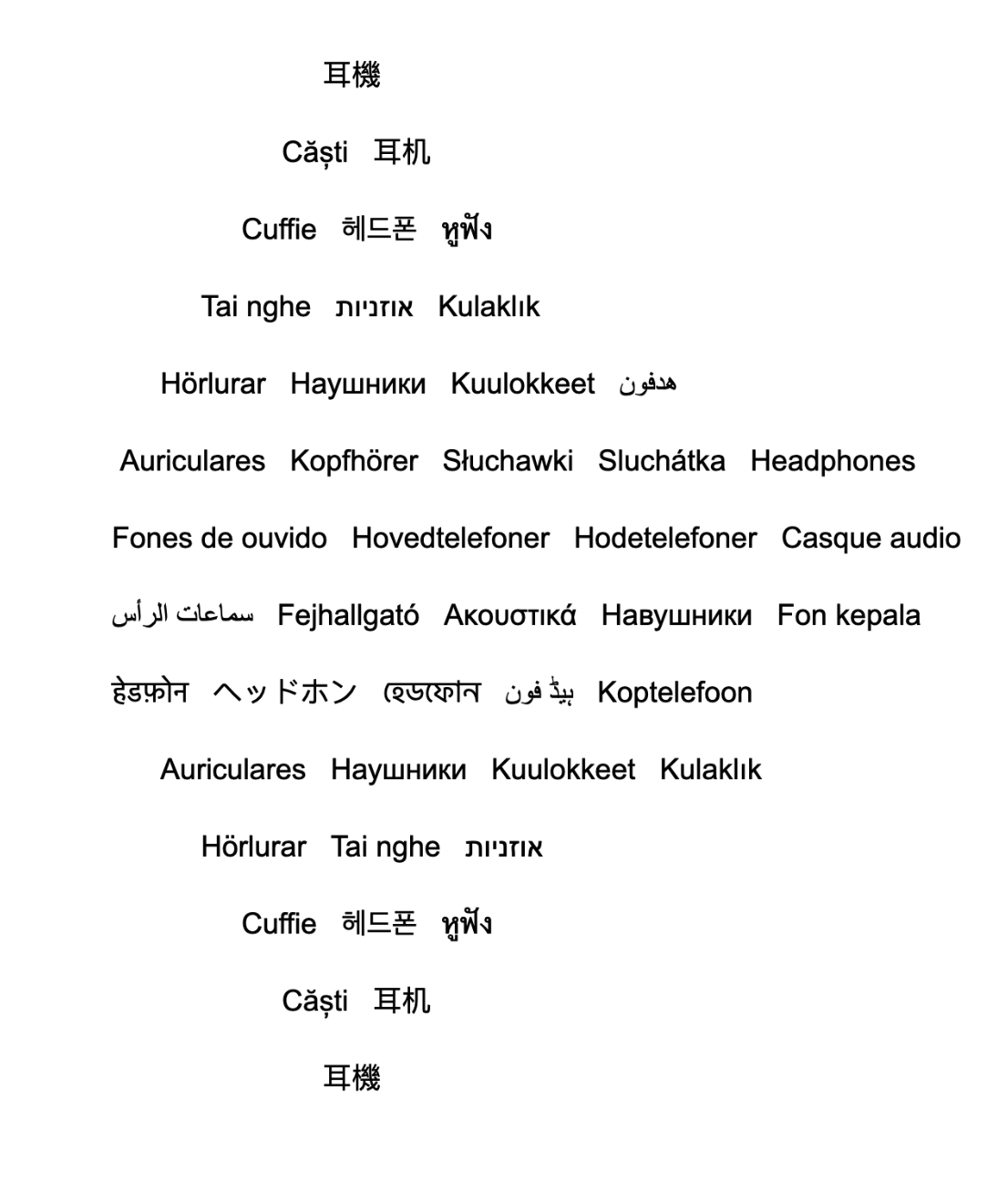
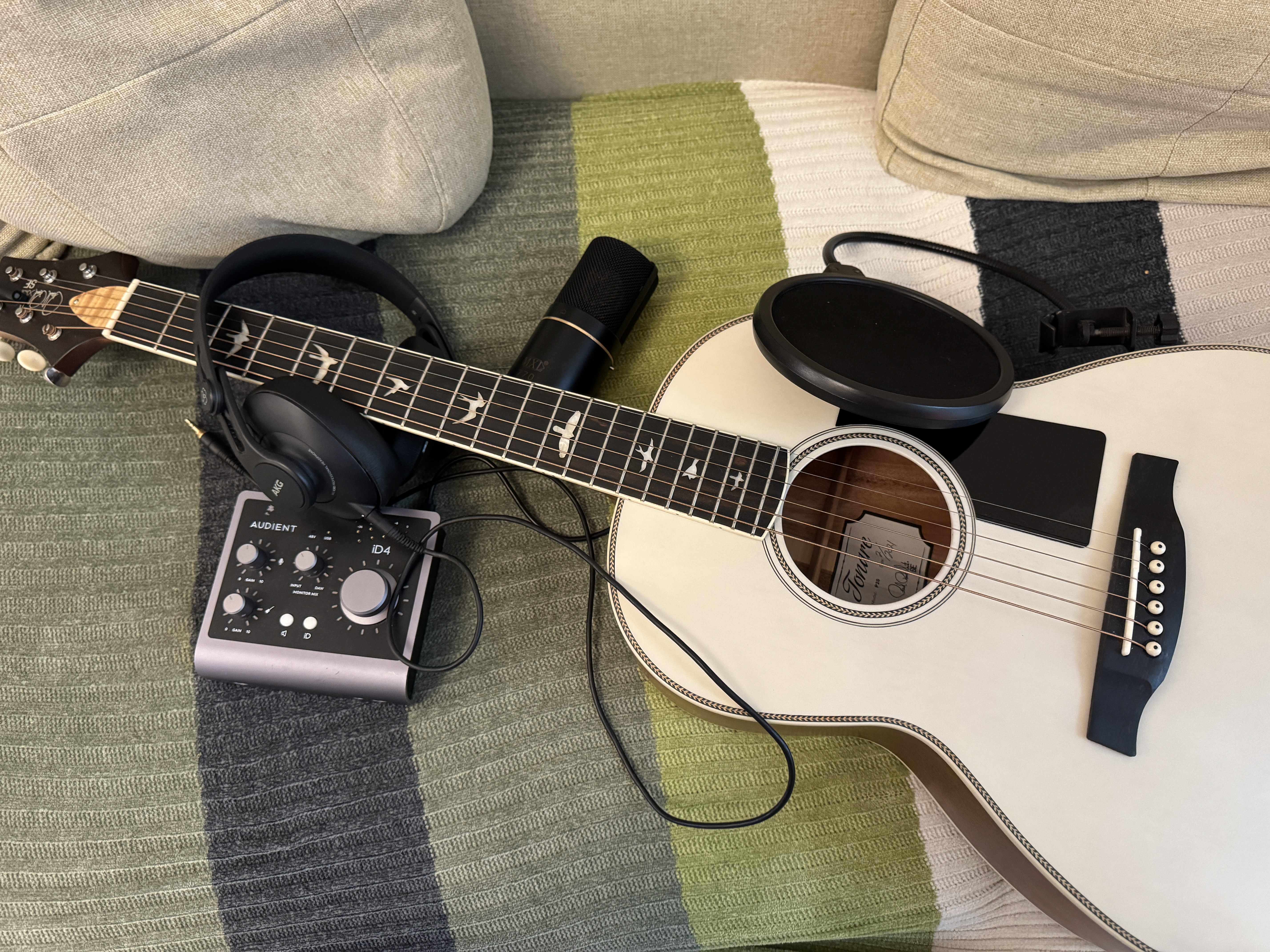
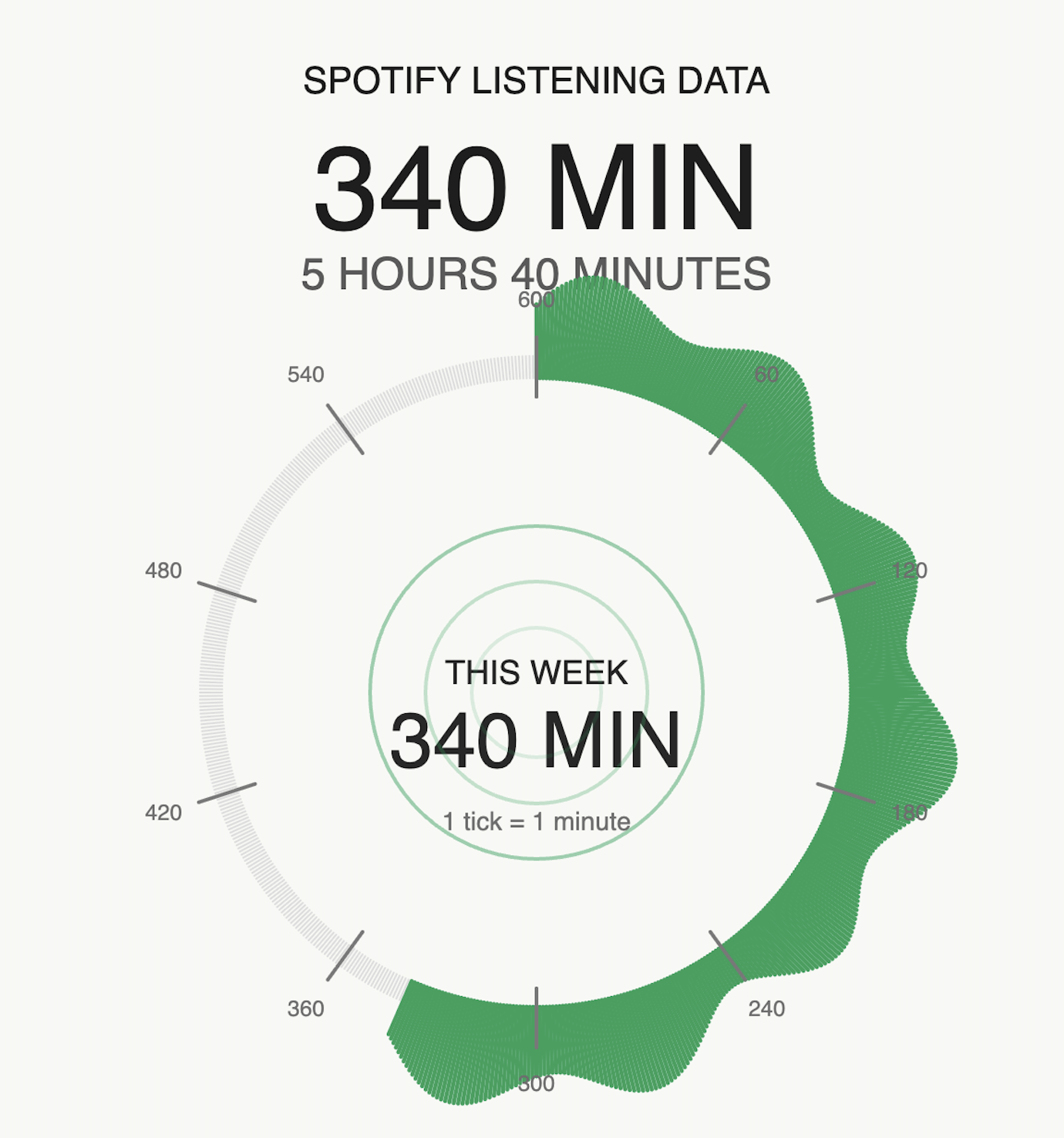
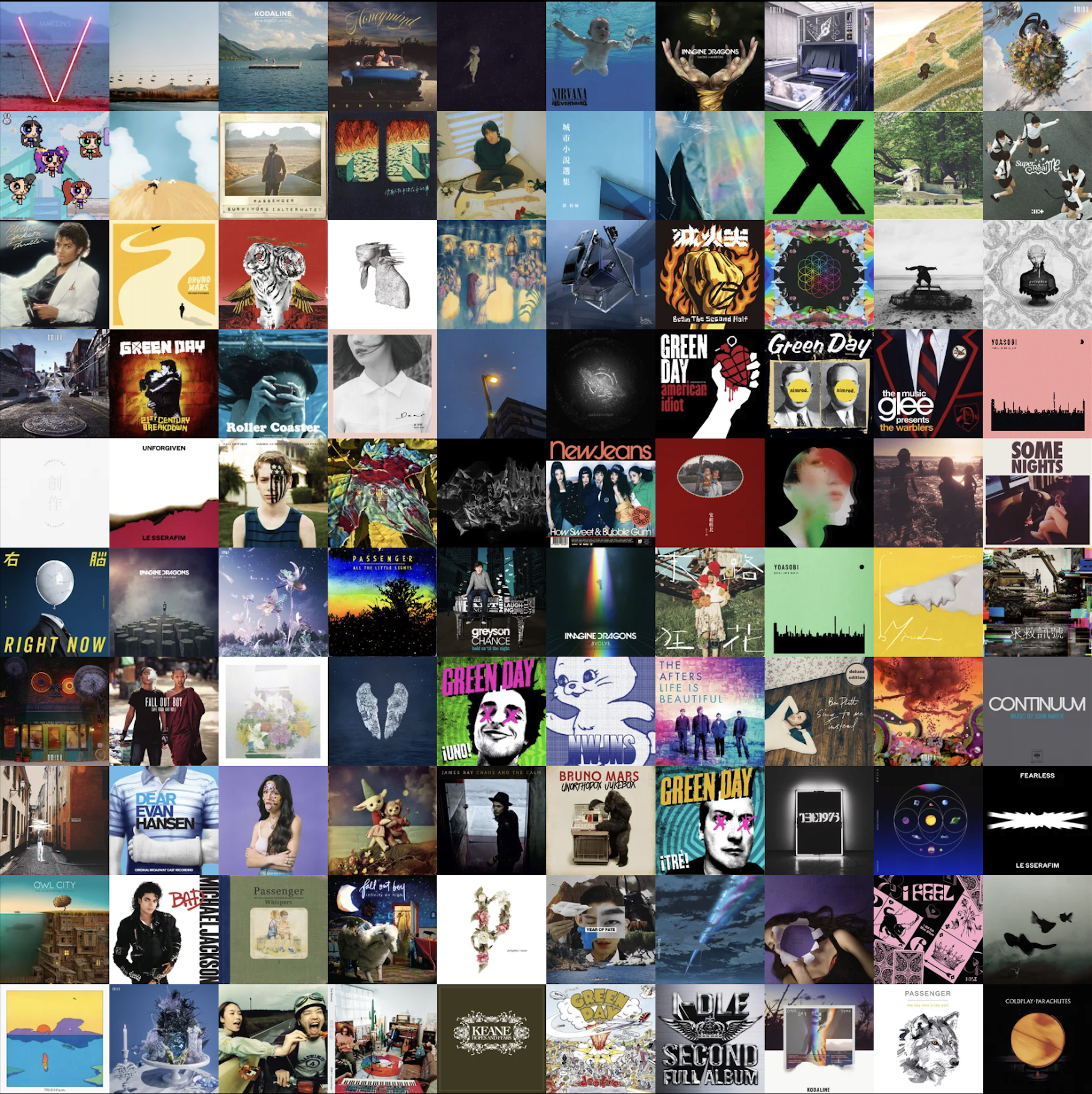
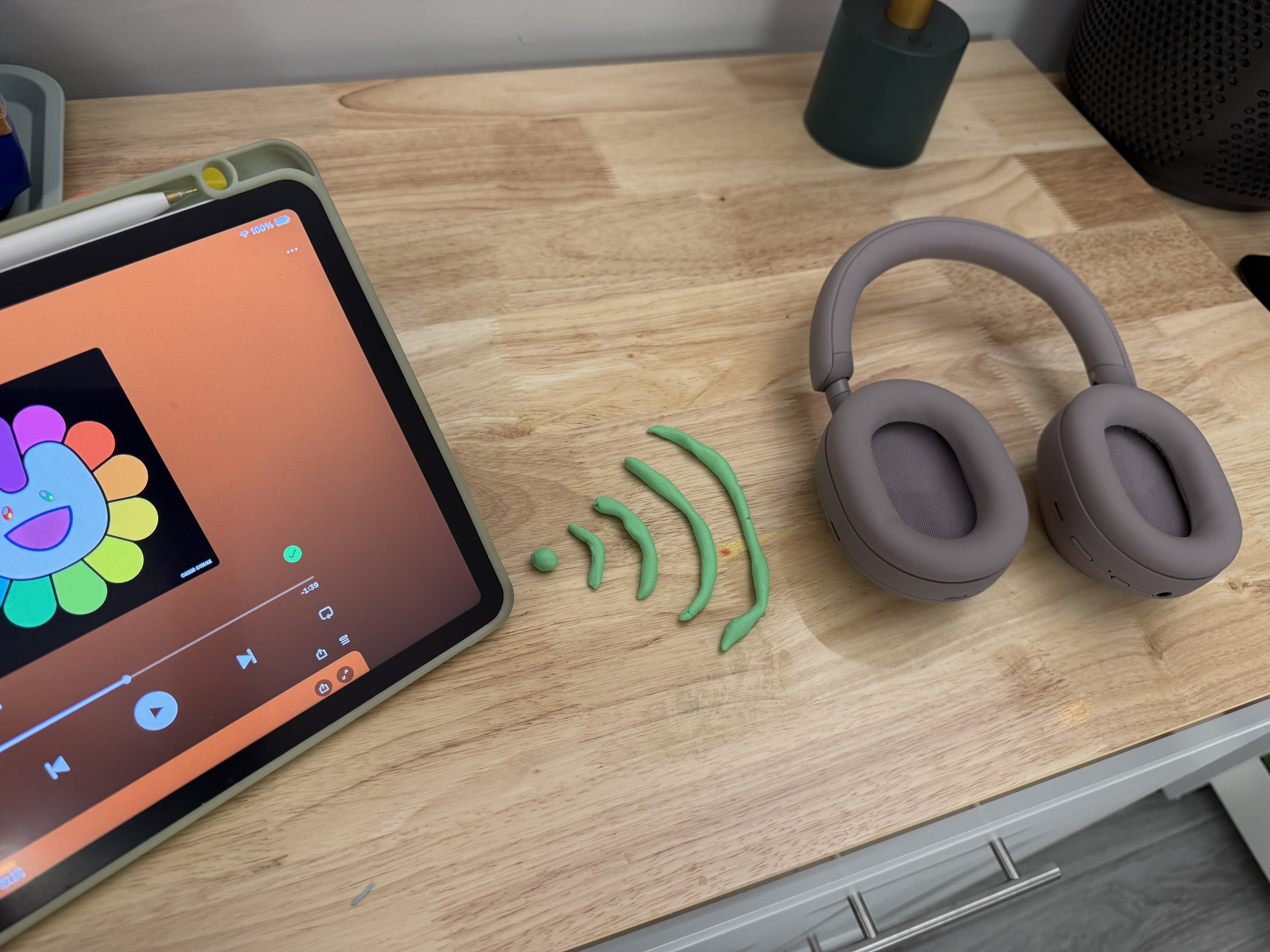
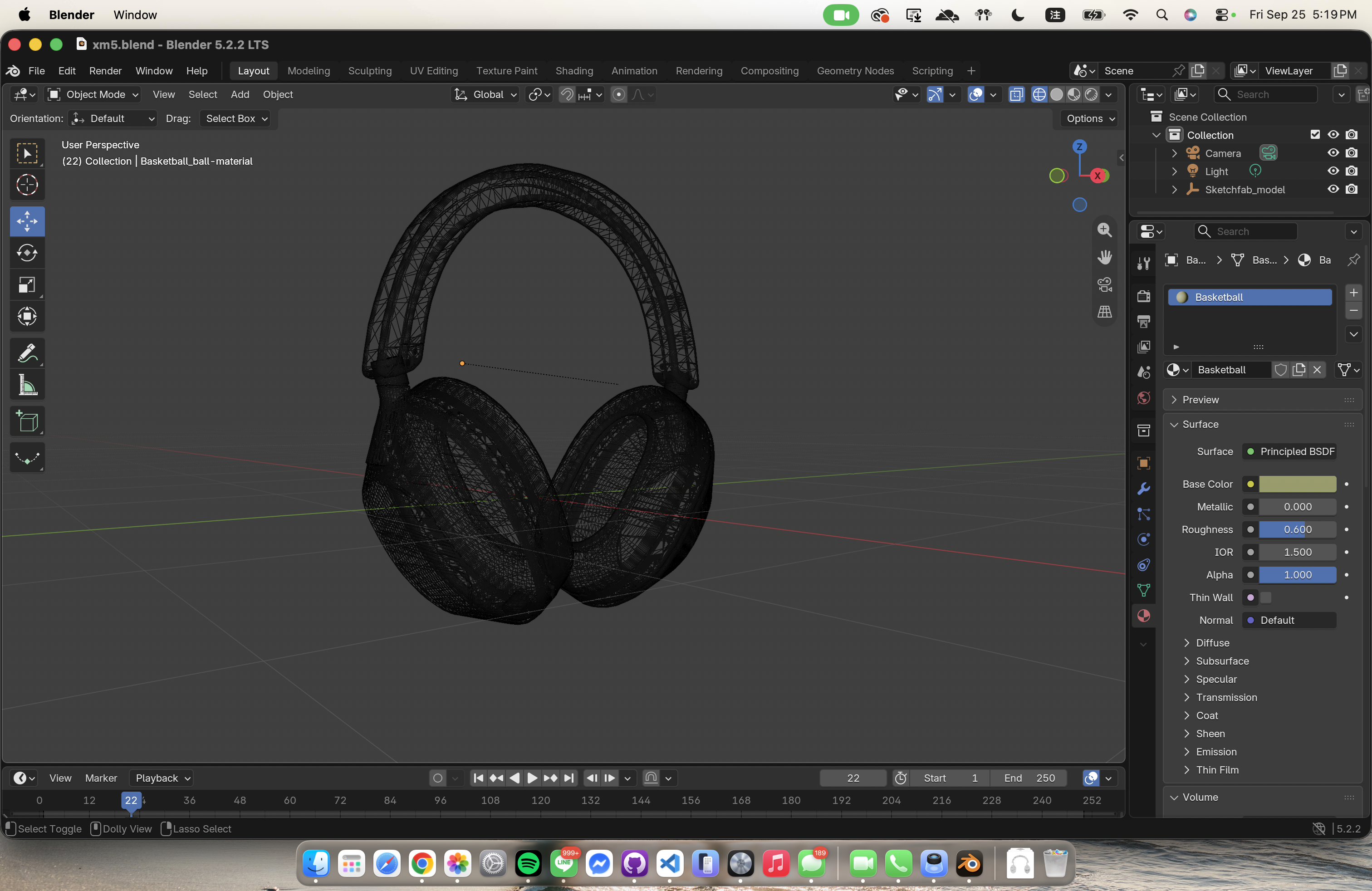
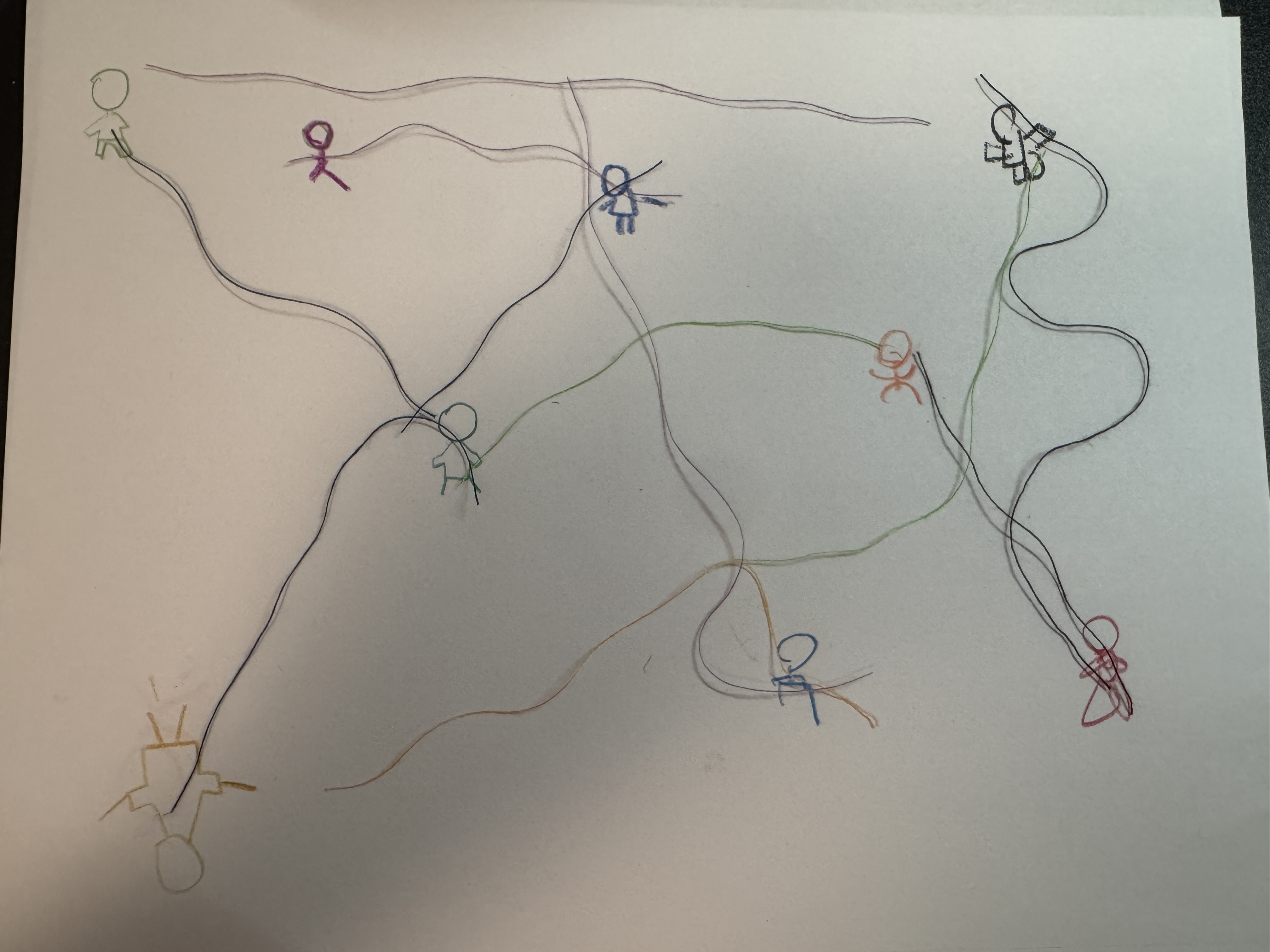
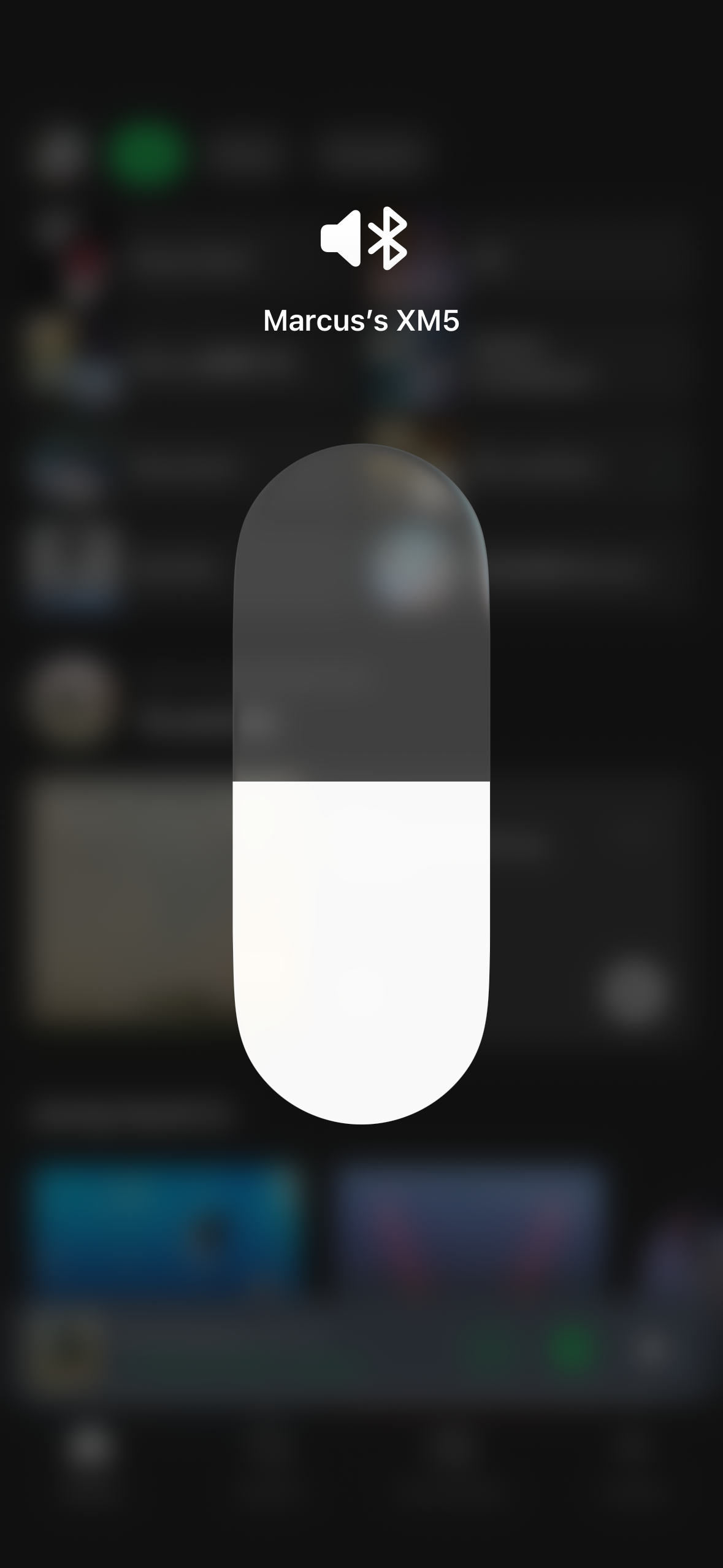
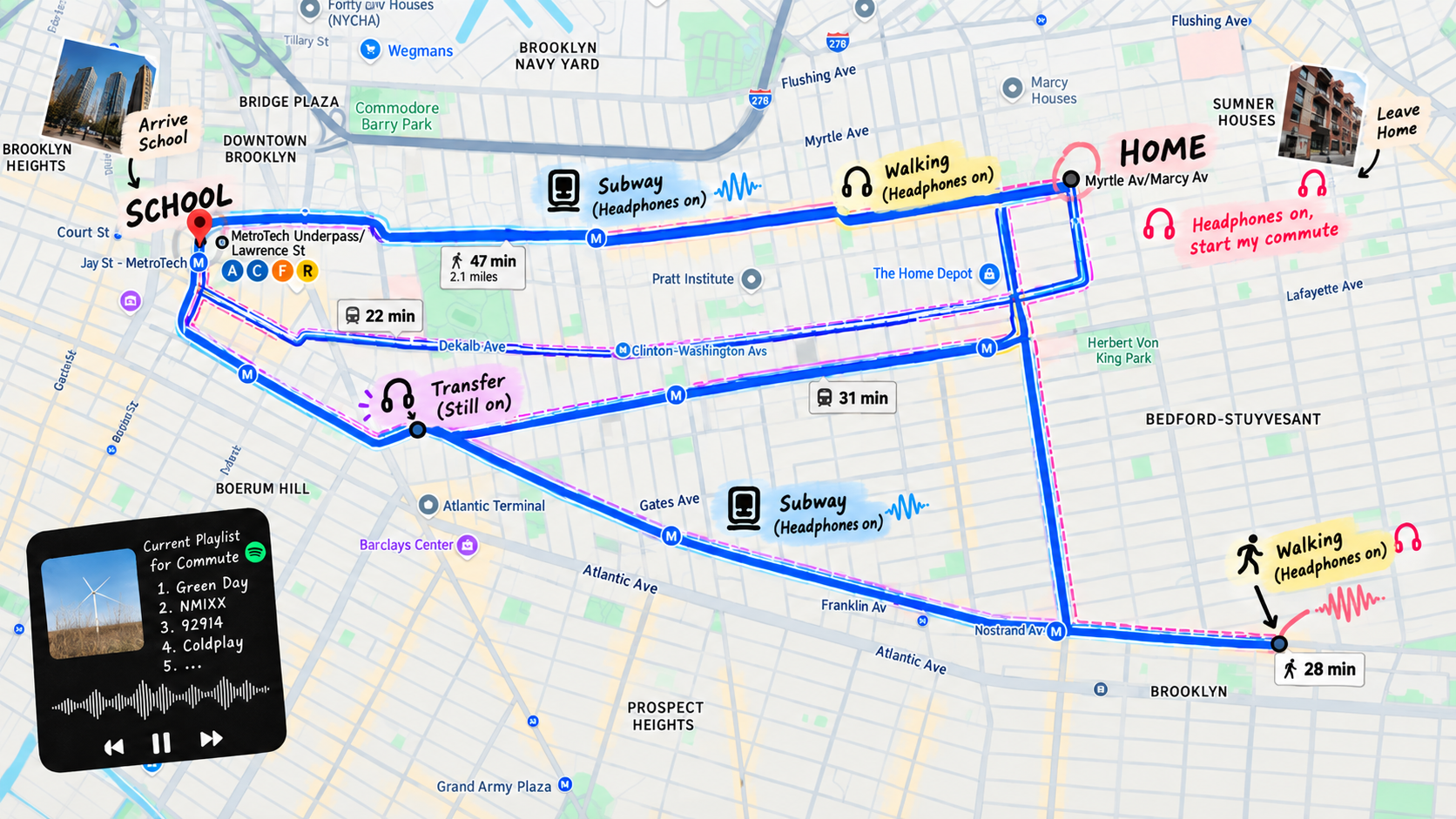
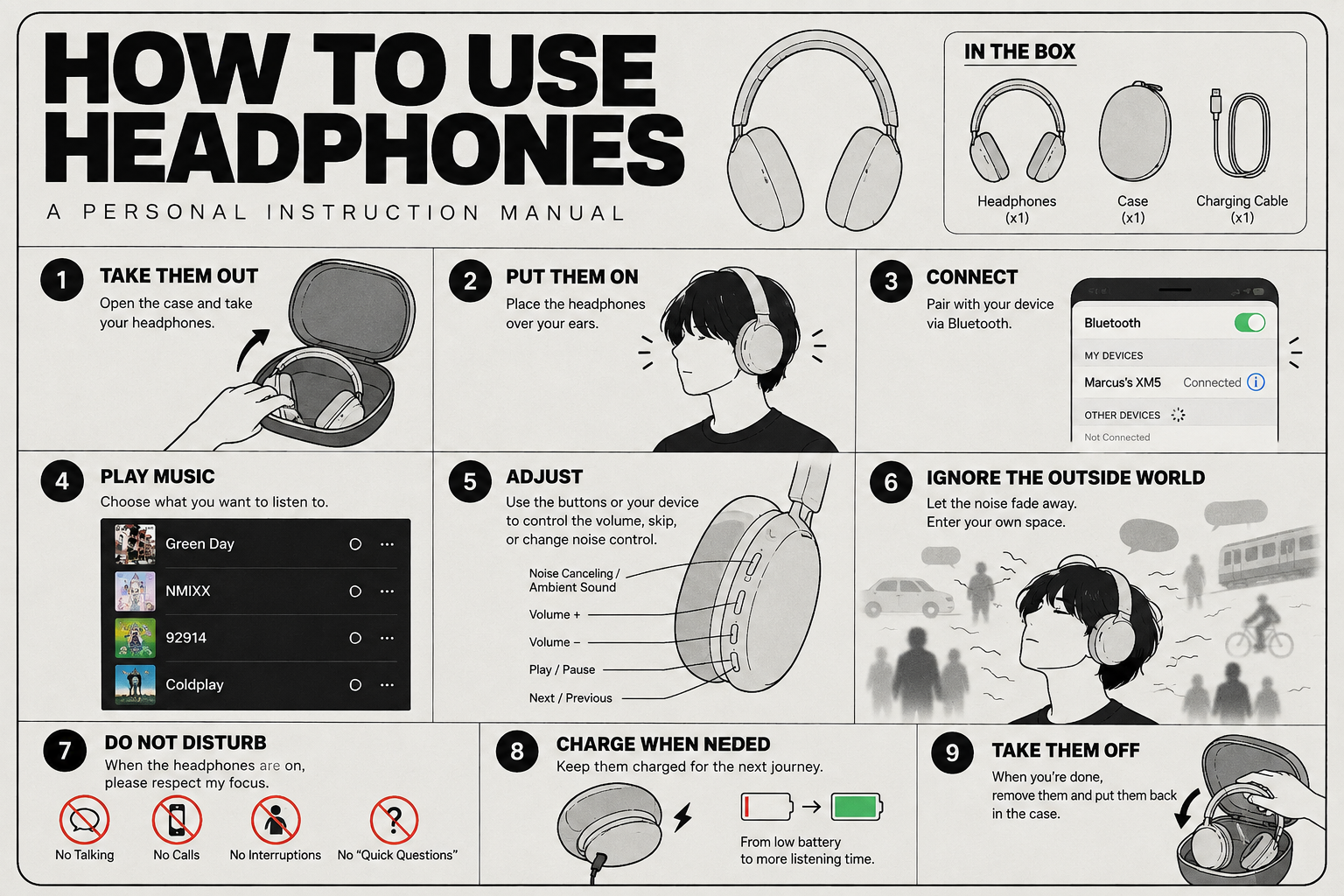
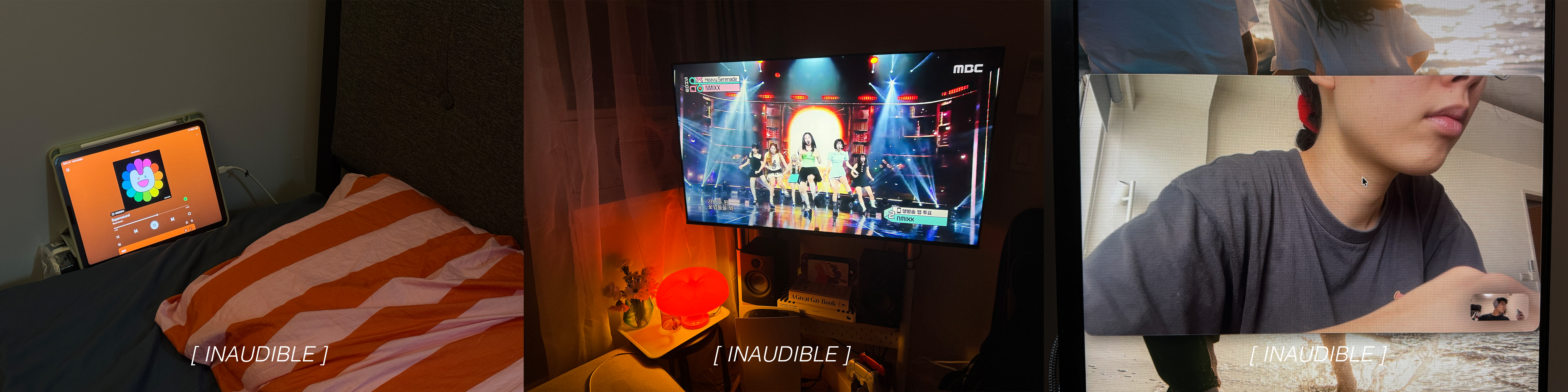
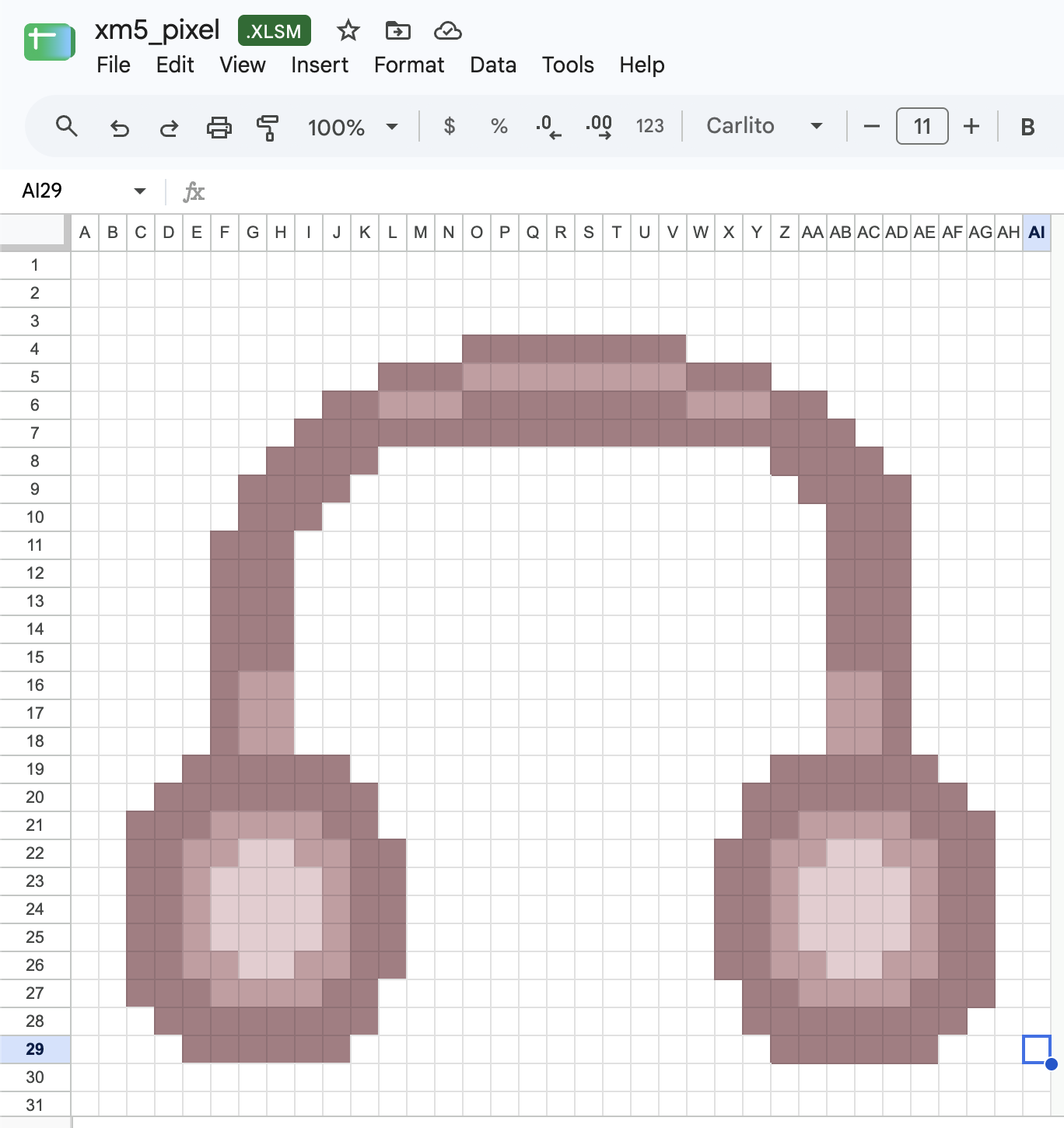
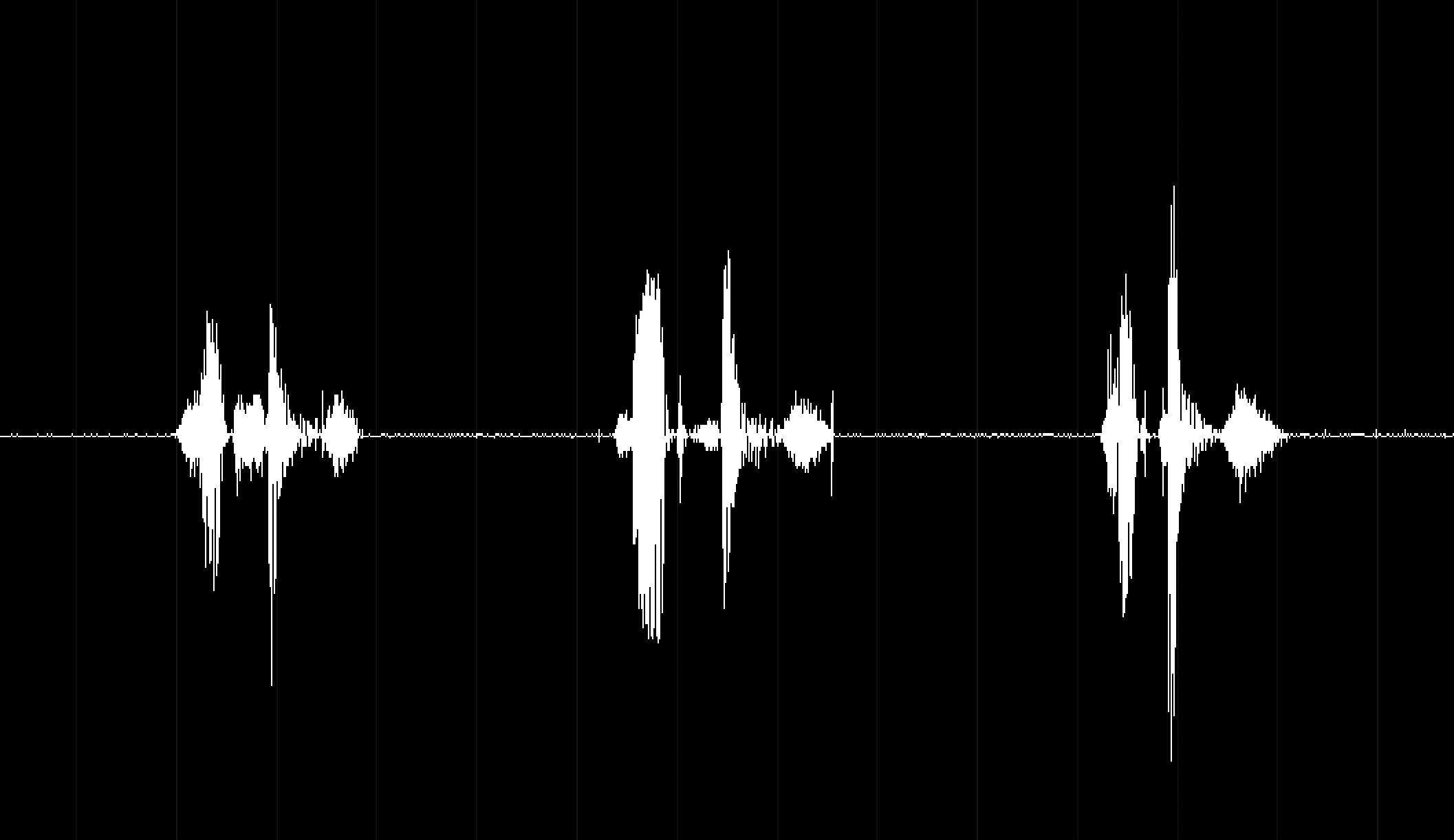
This changed the way I approached the project. I started exploring ideas like noise cancellation, private space, music, commuting, Bluetooth connection, language, data, sound, and social interaction. I also tried many tools and platforms that I normally do not use, including Blender, Guitar Pro, p5.js, Google Sheets, spectrograms, AI tools, and 3D printing.
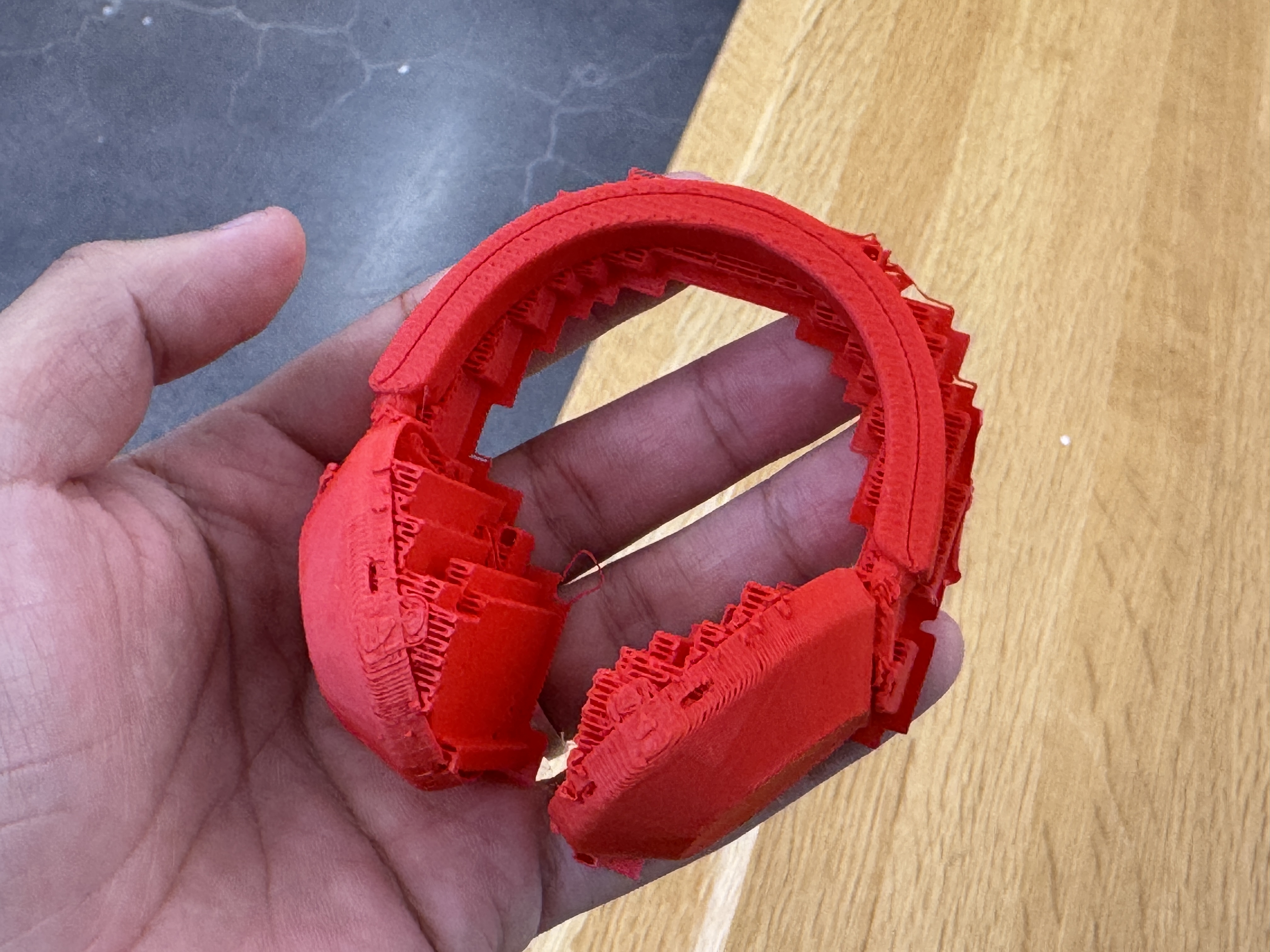
One of the most interesting moments happened at the very end. When I 3D printed the headphones, both ear cups accidentally broke away from the headband while I was removing the support material. At first, it felt like a mistake, but I actually found the result interesting because it revealed the headphones as separate parts instead of one complete object. It reminded me that unexpected results can also become part of the design process.
The biggest thing I learned from this project is that one object can be understood in many different ways depending on the material, tool, context, or perspective. By the end, I no longer saw headphones only as an electronic device. I started to see them as part of my routine, my relationship with music, my personal space, and the way I connect with or separate myself from the world around me.
.png)


.JPG)
.JPG)