Week 3: First Meeting with Level the Curve
Weekly Goals
- Attend my first in-person meeting with Level the Curve (LTC).
- Meet Stefan, Joseph, Alisa, and other team members.
- Learn about LTC’s ongoing assistive technology projects and design process.
- Understand the current challenges and identify my first responsibilities.
Work & Progress
First Meeting with Level the Curve
This week, I attended my first in-person meeting with Level the Curve at the NYU Ability Project. I met Stefan, Joseph, Alisa, and other members of the team.
During the meeting, Stefan introduced LTC’s ongoing projects and explained how the team develops assistive technology through discussions, testing, prototyping, and design iterations.
It was interesting to learn how different team members contribute to the same project and how existing designs continue to evolve in response to practical challenges.
Assigned Project: Lawrence’s Spinal Mobility Chair
I was assigned to work with Alisa on the next version of Lawrence’s Spinal Mobility Chair, an assistive device designed to support spinal mobility exercises. Alisa introduced the previous design and explained where it needed improvement.
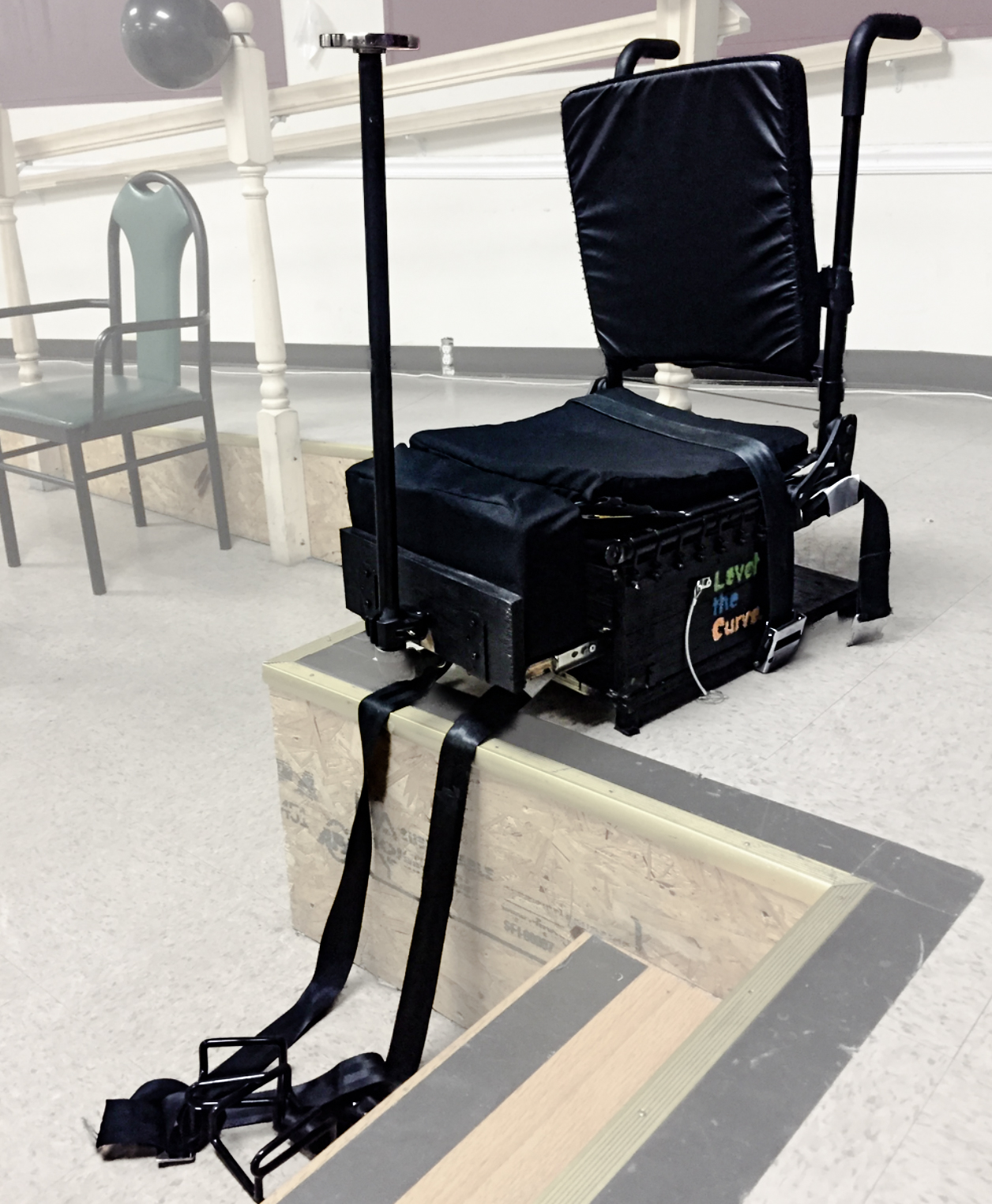
Several challenges came up in our discussion:
- The original structure was heavy and difficult to transport.
- The supporting poles could bend or flex during use.
- Transferring into the chair could be difficult for users.
- Some components, including the original chair structure and backrest, made the design unnecessarily complicated.
The team is exploring a simpler, more modular design that could attach to an existing therapy table. The updated concept uses supporting poles and a band to provide support during exercises.
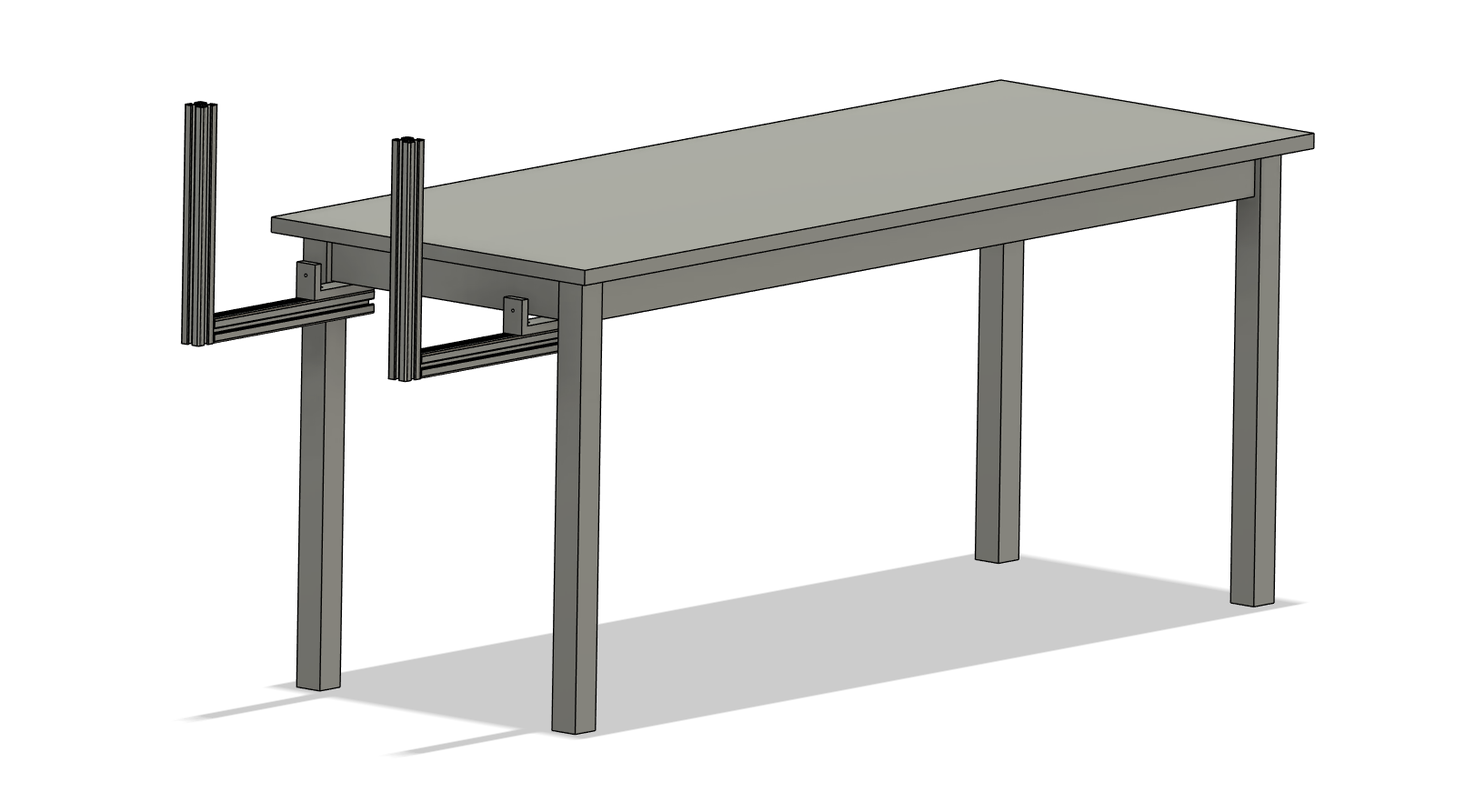
My Responsibility: Rotational Joint Design
One of the remaining design challenges is the joint mechanism connecting the supporting poles to the structure. The joint needs to allow the poles to rotate for different exercises while remaining stable and securely locked during use.
My responsibility will be to work with Alisa on exploring possible rotational joint mechanisms. During this meeting, I focused on understanding the current design, reviewing the references, and identifying possible directions for further research and prototyping.
A close-up reference identifying the rotational joint area was not available in the project assets.
Challenges / Questions
Since I joined an ongoing project, my biggest challenge was understanding the previous design decisions and why certain solutions needed improvement. I also needed to work out how my contribution would fit into the larger system.
Questions I want to explore:
- What kind of rotational joint would work best?
- How much rotation does the mechanism need?
- How can the joint remain securely locked during use?
- How should the joint connect to the supporting poles?
- Which materials and fabrication methods would be suitable?
Next Steps
Reflection
I was a little nervous before the meeting because it was my first time meeting the LTC team in person. However, I enjoyed getting to know everyone and stayed afterward to chat with some of the members.
Most of my previous projects started from my own ideas, so joining an existing team and contributing to an ongoing design process is a new experience for me. This week was mainly about listening and understanding the work that had already been done before deciding what to try next.
I’m excited to work with Alisa and learn more about designing assistive technology that needs to function reliably in real-world situations.